Collaborative Excellence for Educational Advancement.
ADU_ICEDU_2026 proudly collaborates with distinguished partners who share our commitment to advancing education. Our esteemed partners for this year's conference include:







Designing Pedagogical Approaches for Future Learners: Challenges and Opportunities
Abu Dhabi University is pleased to invite researchers, scholars, policymakers, educators, and industry partners to submit papers for the 3rd ADU International Conference on Education (ADU_ICEDU_2026).
Building on the strong impact of previous editions, ADU_ICEDU_2026 explores how innovative pedagogical approaches can prepare learners for an increasingly complex, AI-driven, and skills-oriented future.
- Conference Slogan
Aims to Bridge the Gap Between Cutting-Edge Research and Real-World Applications
Conference Theme
Designing Pedagogical Approaches for Future Learners: Challenges and Opportunities (ADU_ICEDU_2026)
Innovations in Teaching & Learning.
Details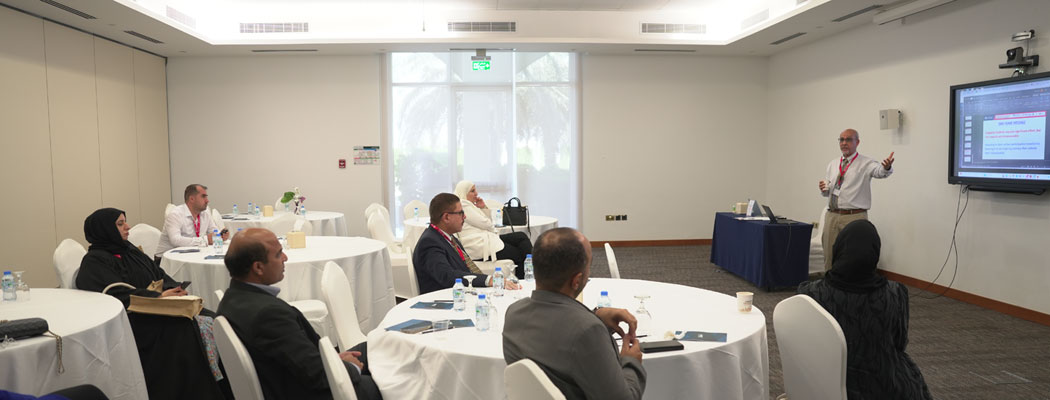
Designing Pedagogical Approaches for Future Learners: Challenges and Opportunities
This conference offers valuable insights for scholars, decision-makers, researchers, and practitioners focused on a sustainable future and digital transformation innovation. Academic institutions, government departments, and private sector organizations will have the opportunity to explore cutting-edge research in critical and relevant areas.
We invite academics, practitioners, and research students to submit their work in the following categories:
Working Papers (abstracts of work in progress)
Full Papers (subject to a double-blind peer review)
Master Thesis
Doctoral Papers (for the Doctoral Colloquium)
For those unable to attend in person, there is an option to present your research virtually to our global audience.

Share
InsightsExchange
IdeasPioneering
Approaches
Designing Pedagogical Approaches for Future Learners: Challenges and Opportunities
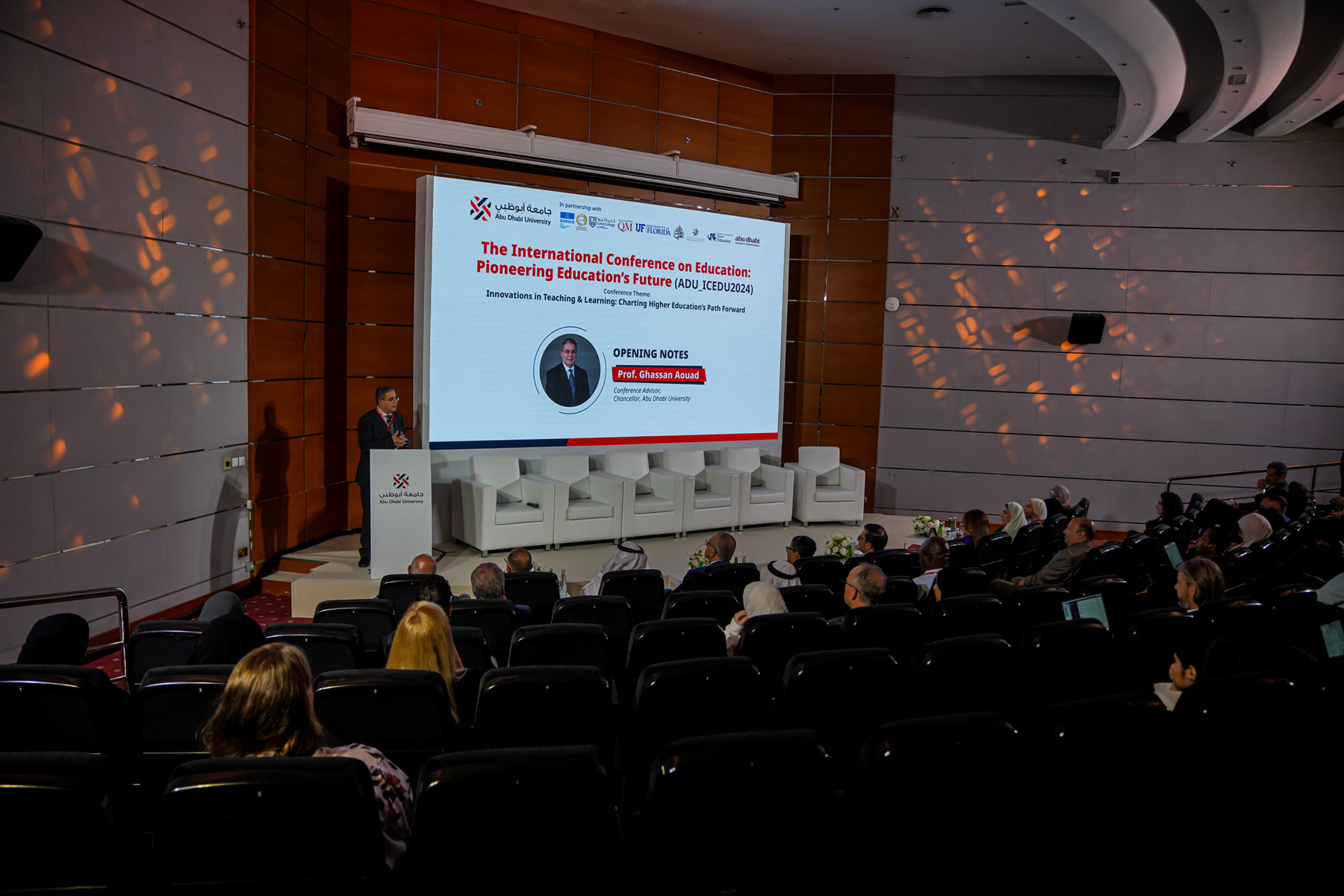
ADU_ICEDU_2026 aims to achieve the following objectives:
Explore cutting-edge advancements in artificial intelligence and their applications in teaching and learning.
Advance international dialogue on future-focused pedagogies, curriculum design, digital innovation, and learning ecosystems
Showcase research and best practices that support inclusion, wellbeing, academic integrity, learner engagement, and skill development
Bridge academia and industry by exploring partnerships that improve employability, entrepreneurship, and workforce readiness.
Promote innovative leadership approaches that enable educational transformation at institutional and system levels.
Foster cross-disciplinary collaboration among educators, researchers, policymakers, and technology providers.
Support evidence-based and sustainable education practices that align with national priorities and global frameworks, including the SDGs.
Distinguished keynote speakers at the 3rd International Conference on Education 2026.
Keynote Speakers

Professor Fiona Smart, PhD, PFHEA
Learning and Teaching Enhancement ConsultantDirector: Fiona Smart Coaching and Consultancy Ltd

Professor of Practice Nancy Gleason
Director Academic ExcellenceHumanities, Social & Management Sciences Division, Mohamed bin Zayed University of Artificial Intelligence
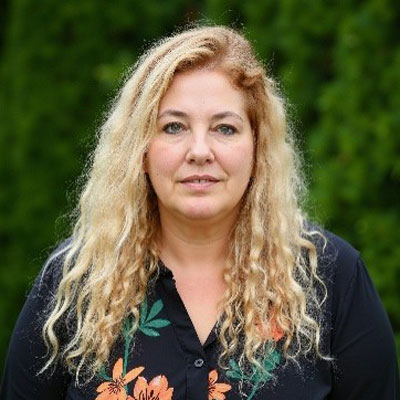
Dr. Christine Coombe
Associate Professor of General Studies, Higher Colleges of Technology – Dubai Academic City Campus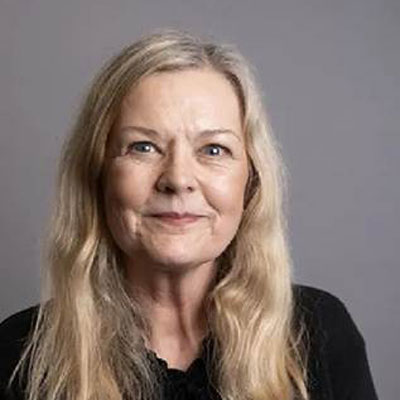
Ms. Louise Lumsden SFHEA
Head of Fellowships (Teaching), Advance HE
Dr. Lina Bariah
Khalifa University of Science and TechnologyConference Theme:
Designing Pedagogical Approaches for Future Learners: Challenges and Opportunities
Date:
7-9 October 2026
Venue:
Al Ain City, UAE
Important Dates:
Call for proposals
January 15th, 2026
Abstract submission deadline
July 31, 2026
Decisions about abstract acceptance
Within four weeks after the submission deadline
Full conference registration fees are due for all presenters
August 31, 2026
Submission of full paper for conference proceedings for those interested
August 31, 2026
Decision on acceptance of full papers
Within six weeks after the submission deadline
Conference
October 7-8, 2026
Al Ain City Tour
October 9, 2026
Discover the roadmap to the future of education within the ADU_ICEDU_2026 Program Schedule.
From thought-provoking sessions to interactive workshops, our schedule is designed to inspire, engage, and facilitate the exchange of groundbreaking ideas.
Time | Topic | Speaker |
|---|---|---|
DAY 1 - Wednesday, 7 October 2026 | ||
9:00-10:00 AM | Registration and Morning Coffee | |
Inaugural Session | ||
10:00-10:10 AM | Opening Speech | H.E. Zaki Nusseibeh |
10:10-10:15 AM | Welcome Note – ADU Speech | Prof. Ghassan Aouad, |
10:15-10:20 AM | Highlights of the Conference | Prof. Barry O'Mahony |
10:20-10:40 AM | Official Speakers | H.E. Mahra Al-Mutaiwie |
Dr. Mohammed Al-Ali | ||
Mr. Abdelmajeed Shamlawi | ||
10:40-11:00 AM | Coffee Break | |
11:00-11:30 AM | Keynote Speaker | Professor Fiona Smart, PhD, PFHEA |
11:30-12:00 PM | Keynote Speaker | Professor of Practice Nancy Gleason |
12:00-01:00 PM | Presidential Dialogue: | Moderator: |
Panelists: | ||
Prof. Ahmed Ali Al Raeesi | ||
Prof. Mohamed Dhiaf | ||
Prof. Khalid Hussain | ||
1:00-2:00 PM | Break and Lunch | |
2:00-3:00 PM | Panel Discussion: | Moderator: |
Panelists: | ||
Ms. Nadera Alborno Ed.D. | ||
Ms. Nicki Williams | ||
Ms. Margaret Ann Haynes | ||
Ms. Alanoud AlZaben | ||
Parallel Sessions | ||
4:00-6:00 PM | Workshop: Designing AI-Enhanced Learning Experiences: From Concept to Classroom
| Dr. Hamad Odhabi |
4:00-6:00 PM | Workshop: The Courageous Academy:
Embedding Psychological Safety as a Collective Practice
| Professor Fiona Smart, PhD, PFHEA |
4:00-6:00 PM | Workshop: The Courageous Academy:
Belonging by Design: Building Evidence of Inclusive Approaches for Fellowship
| Ms. Vic Stephenson, SFHEA |
DAY 2 - Thursday, 8 October 2026 | ||
9:00-10:00 AM | Registration and Morning Coffee | |
10:00-10:15 AM | Opening Notes | Prof. Ghassan Aouad, |
10:15-10:45 AM |
Keynote Speaker
| Ms. Louise Lumsden SFHEA |
10:45-11:15 AM |
Keynote Speaker
| Dr. Christine Coombe |
11:15-11:30 AM | Coffee Break | |
11:30-12:00 PM |
Fireside Chat
| Prof. Ghassan Aouad |
12:00-01:00 PM | Panel Discussion: | Moderator: |
Panelists: | ||
Dr. Osama Obeidat | ||
Mr. Mohammad Al-Najjar | ||
Prof. Rana Tamim | ||
Prof. Michael Pazinas | ||
Ms. Michelle Backhouse | ||
1:00-2:00 PM | Break and Lunch | |
2:00-3:00 PM | Panel Discussion: |
Moderator: |
Panelists: | ||
Dr. Asma Saeed Khethail | ||
Dr. Mohammad Al Adwan | ||
Dr. Marion Wrenn
| ||
Dr. Nazih A. Khaddaj Mallat
| ||
Parallel Sessions | ||
4:00-6:00 PM | Workshop: From Notebooks to Chatbots: Teaching in the Age of AI
| Mr. Mohammad Al-Najjar |
4:00-6:00 PM | Workshop: From Evaluation to Empowerment: Coaching Supervision for School Leaders
| Dr. Sana'a Al Reiahy |
Closing Ceremony | ||
6:00 PM | Closing Remarks | Prof. Ghassan Aouad |
Vote of Thanks and Appreciation | Dr. Mohammad Fteiha | |
Conference Recommendation | Prof. Barry O'Mahony | |
Best Paper Award Announcements | Prof. Ghassan Aouad Dr. Mohammad Fteiha Prof. Ghanem Albustami | |
Appreciation Ceremony | ||
Group Photo | ||
Gala Dinner | ||
DAY 3 - Friday, 9 October 2026 | ||
9:00-12:00 PM | Tour in Al Ain City | |
Al Ain City, UAE.
Al Ain, is a garden city, one of the world's oldest permanently inhabited settlements and a UNESCO World Heritage Site. Don't forget your phone when visiting this green region because it's filled with visual gems and characterful sights perfect for photos.
In Al Ain city, you're surrounded by lush and ancient oases interlinked with shaded pathways to stroll along. You can wander through historical forts and archaeological parks where you can discover ancient artifacts.
If you have an appetite for culture, you'll be amazed by the old-world palaces dotted across the area. There's even a charming camel market and vibrant souks (markets) selling authentic Emirati crafts, spices,
carpets, perfumes, and more. https://maps.app.goo.gl/pp718Y2TSkpJiKdP7
Abu Dhabi Destination Images: Click here
Abu Dhabi MICE Destination Video: Click here
Abu Dhabi Destination Guides: Click here
Shaping global education with diverse participants and innovations, fostering an engaging experience in teaching practices, unlocking potential, and reshaping the future of learning.
The 3rd ADU International Conference on Education: Designing Pedagogical Approaches for Future Learners: Challenges and Opportunities is designed for academics, researchers, educators, practitioners, postgraduate students, and alumni who are committed to rethinking teaching, learning, and assessment for future-ready learners across educational contexts. This conference will be relevant for:
Professionals involved in curriculum design, assessment, and evaluation, with a focus on innovative, authentic, and future-oriented learning experiences.
Educators and researchers exploring new pedagogies, student engagement strategies, inclusive practices, and evidence-informed teaching for diverse learners.
Specialists in educational technology, digital pedagogies, and learning analytics, including those designing technology-enhanced and AI-supported learning environments.
Leaders and administrators in universities, schools, colleges, and vocational education and training institutions who are driving educational transformation, quality assurance, and institutional innovation.
Policymakers, professional bodies, and industry expertsv working at the intersection of education, skills development, employability, and lifelong learning.
Individuals interested in inclusion, wellbeing, sustainability, and equity in education, including those advancing accessible education, SDG-aligned initiatives, and holistic student success
The conference will have an international scope, attracting participants from diverse countries and regions, and providing a platform for cross-cultural exchange and interdisciplinary collaboration.
Enquire NowDesigning Pedagogical Approaches for Future Learners: Challenges and Opportunities.
The theme of the Conference is 'Designing Pedagogical Approaches for Future Learners: Challenges and Opportunities.' It will provide academics, researchers, and practitioners a platform to exchange ideas and discuss current issues, challenges, and opportunities in higher education teaching and learning.
We welcome research papers, case studies, posters, and conceptual papers related to the following themes:
Themes:
1
- Special, Inclusive & Accessible Education
Inclusive curriculum models and Universal Design for Learning (UDL)
Assistive technologies and accessible learning environments
Policies, supports, and services for students of determination and diverse learners
2
- Curriculum & Pedagogy Design
Future-focused curriculum innovation and redesign
Active, student-centered, and inquiry-based pedagogies
Interdisciplinary and transdisciplinary course and program design feedback systems
3
- Assessment for Learning & Academic Integrity
Authentic, formative, and competency-based assessment
Ensuring academic integrity in digital and AI-rich contexts
Assessment policies, quality standards, and integrity frameworks
4
- Student Success & Wellbeing
Holistic approaches to student engagement and retention
Mental health, wellbeing, and sense of belonging
Learning support, advising, and inclusive success initiatives
5
- Experiential & Work-Integrated Learning
Internships, practicums, and cooperative education
Community-engaged and project-based learning
Micro-credentials, badges, and employability-focused pathways
6
- Digital Pedagogies & Learning Analytics
Technology-enhanced and hybrid learning models
Learning analytics for evidence-informed teaching
AI, XR, and emerging tools for digital pedagogy
7
- Leadership, Policy & Quality Assurance
Educational leadership for innovation and change
Quality assurance, accreditation, and standards in education
Governance, policy, and regulatory frameworks for future-ready systems
8
- Future Skills, Entrepreneurship & Lifelong Learning
Defining and developing future skills and competencies
Entrepreneurship education and innovation ecosystems
Lifelong learning, reskilling, and flexible learning journeys
9
- Designing Future Classrooms
Smart, flexible, and technology-rich learning spaces
Innovative classroom design for collaboration and creativity
Integrating emerging tools into physical and virtual classrooms
10
- Teacher Professional Learning & Faculty Development
Models of professional learning and reflective practice
Faculty development for digital, inclusive, and AI-informed teaching
Communities of practice, mentoring, and scholarly teaching (SoTL)
11
- Sustainability Education & the SDGs
Embedding sustainability and SDGs into curricula
Education for climate action and global citizenship
Green campus initiatives and sustainable institutional practices
12
- Industry–Academia Collaboration & Employability
Co-designed programs with industry and professional bodies
Enhancing graduate employability and work readiness
Strategic partnerships, internships, and career development initiatives
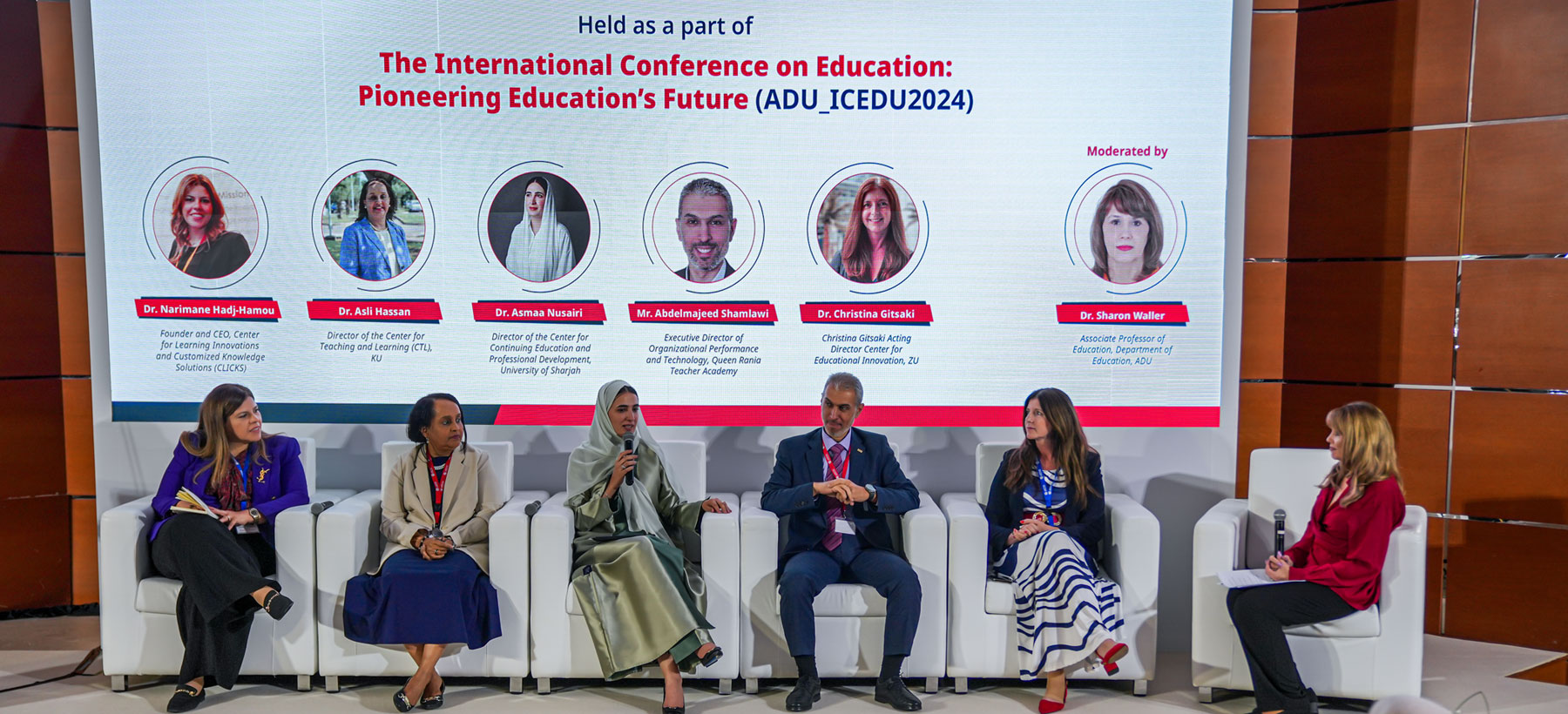
Authors are invited to submit original, case studies, or conceptual papers.
The Conference's Scientific Committee will review all submissions and the authors of accepted papers will be invited to publish them in the Conference proceedings.
Full papers should be submitted through the online submission system by 31 August 2026. Papers should be written in English or Arabic and should not exceed 5,000 words, including references, tables, and figures. For more information on submission guidelines, please visit the Conference website.
The submitting authors may be required to create a Microsoft Conference Management Toolkit account before uploading the paper (if the submitting author does not have a Microsoft Conference Management Toolkit account).
Mood of Participation
All papers will be subject to blind peer review.
All papers should meet the standards of scientific research.
Submitted papers should be no more than 10 pages in length.
All papers should be submitted via the online submission system.
All papers should include an abstract in English and/or Arabic.
The topic of the research should be related to the conference themes.
The conference committee has the right to exclude any paper that does not match the submission guidelines.
All papers should be typed in Times New Roman style with the 12-point font for the body of the paper and 14-point font for the main headings and sub-headings.
Margins must be 1 inch (about 2.54 cm).
Font Face must be Times New Roman.
Font Size must be 10 points (except paper Title is 14 pt) in 1.5 times space, and justified.
One blank line should be left after the paper title. After the title, names of authors and affiliations should be provided.
All the authors of a paper should include their full names, affiliations, addresses, ORCID information, and email addresses on the first page of the paper.
An informative 10-point abstract (150 to 200 words) presenting the main points of the paper and conclusions.
Papers should include keywords. List up to five words regarding the essential elements of the paper content.
Tables and figures should be centered and not exceed the given page margins.
Table titles should be on top of the table and all words should be centered, and only the first letters capitalized.
Figures titles should be centered and only the first letters capitalized and located at the bottom of the figures.
One blank line should be allowed between the paragraphs.
References and citations within the text should be prepared in the latest APA format.
Do NOT include PAGE NUMBERS
Do NOT include HEADERS or FOOTNOTES
Oral presentations provide a platform for sharing research findings related to the conference themes.
Proposals for oral presentations should be submitted via the online submission system.
Oral presentation proposals should include an abstract in English and/or Arabic, a description of the research, and the names and affiliations of the presenters.
The duration of the oral presentation should be no more than 20 minutes.
The conference committee has the right to exclude any oral presentation proposal that does not match the submission guidelines.
Posters provide a platform for sharing research findings related to the conference themes
Proposals for posters should be submitted via the online submission system.
Poster proposals should include an abstract in English and/or Arabic, a description of the research, and the names and affiliations of the presenters.
All posters shall be in English and the size should be 70cm(horizontal) * 90cm(vertical).
Organize the poster in a way that is clear, orderly, and self-explanatory. The poster must cover the same content as the abstract.
Avoid abbreviations, acronyms, and jargon. Avoid fuzzy images; make sure all graphics are high-resolution and easily visible.
It is the author’s responsibility to ensure that each part of the poster (figures, tables, images, etc.) is free of any third-party rights and is cited correctly.
Registration for the conference began on the 15th January 2026.
Registration Benefits
Admission to all scientific sessions except workshops
Conference bag and name badge
Conference program
Certificate of attendance
Certificate of paper presentations (for authors)
Lunches (starter / main course/dessert)
Coffee-breaks
Tour in Al Ain City
Academic
Conference Fee
$ 350
GEP Delegates
Conference Fee
$ 300
ADU, LCT Academics, IEEE Members
Conference Fee
$ 200
Not-for-profit Organization
Conference Fee
$ 250
Master Students, IEEE Students Members
Conference Fee
$ 100
PhD Students
Conference Fee
$ 150
Non Presenters/ Attendees
Conference Fee
$ 200
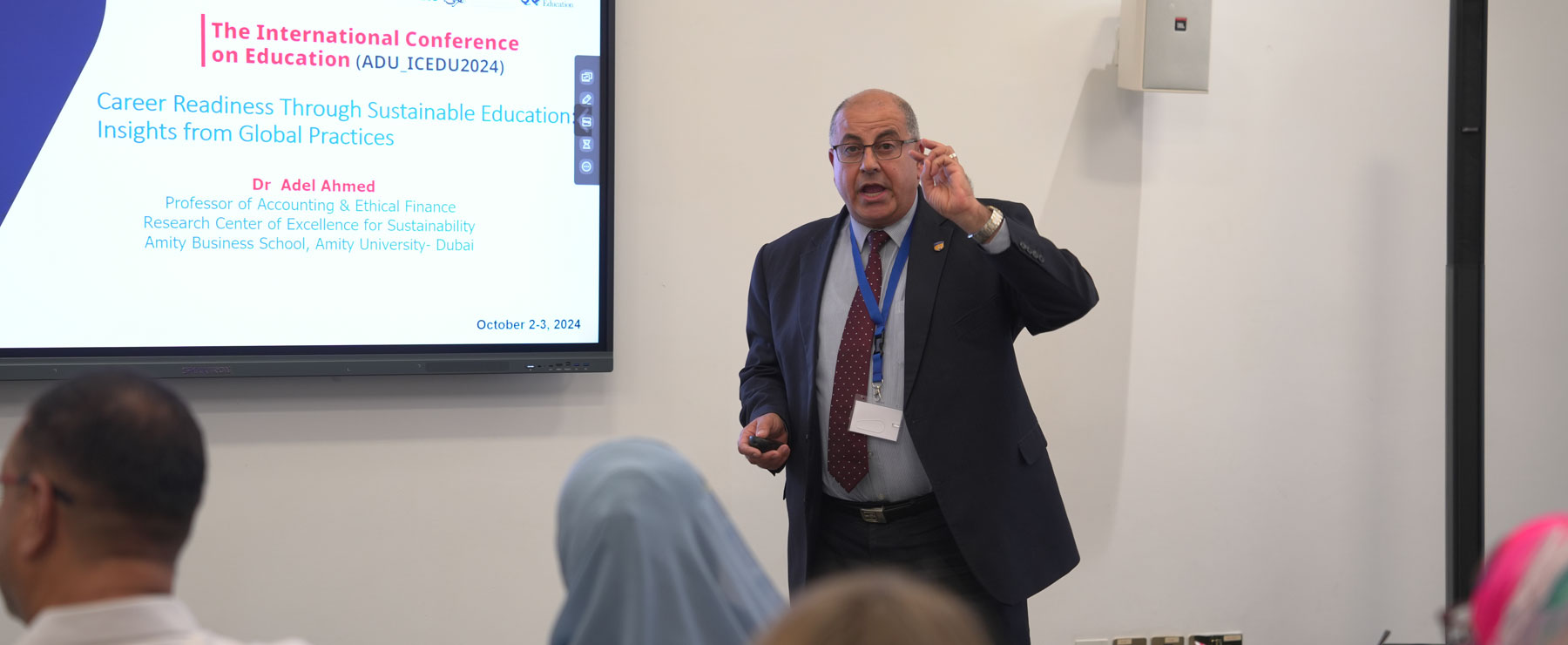
The accepted papers at the International Conference on Education “Designing Pedagogical Approaches for Future Learners: Challenges and Opportunities” will be published in the conference proceedings.
The proceedings will be made available in electronic format and published with an International Standard Book Number (ISBN). The proceedings will be indexed in relevant databases and made available online for free access.
Additionally, some of the selected papers may be invited for submission to relevant journals for publication, subject to the respective journal's policies and guidelines. The Conference's Scientific Committee will decide to invite a paper for publication in a journal based on its quality, relevance, and originality.
It is important to note that publication in the Conference proceedings does not guarantee publication in a journal. However, the Conference proceedings allow authors to disseminate their research and share their findings with a broader audience.
Selected papers, depending on their focus, will be invited to submit to one of the following journals:
EducacionXX1 Journal (Impact Factor: 3, Indexed in SSCI and Scopus - Q1)
EDUCACIONXX1 is a peer-reviewed, international academic journal dedicated to advancing the
field of education through innovative research, theoretical studies, and practical
applications
Learning and Teaching in Higher Education: Gulf Perspectives (LTHE) (Q2 –
Scopus)
Must be an education-focused studies conducted within the GCC region.
Journal of Innovative Pedagogy and Educational Transformation (IPET)
Suited for innovative approaches to teaching and learning.
International Journal for Research in Education – UAEU (IJRE)
Suited for general educational research contributions.
All selected papers must adhere strictly to the author guidelines of their respective journals, including compliance with word limits, formatting requirements, and publication ethics.
Awards:

Best Paper
Award
Best Presentation
Award
Best Poster
Award
Best PG Student
Paper Award
Criteria will be shared later.
Committee Members
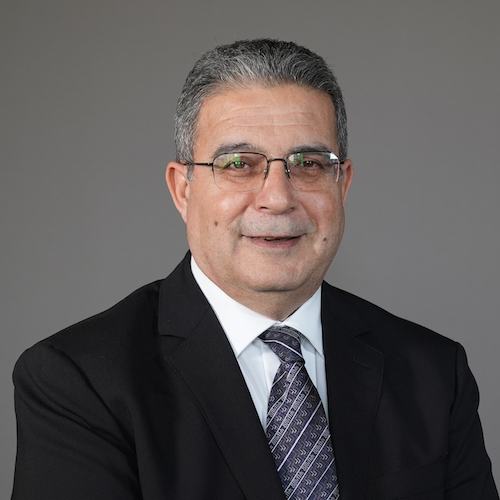
Prof. Ghassan Aouad
Chancellor
Abu Dhabi University
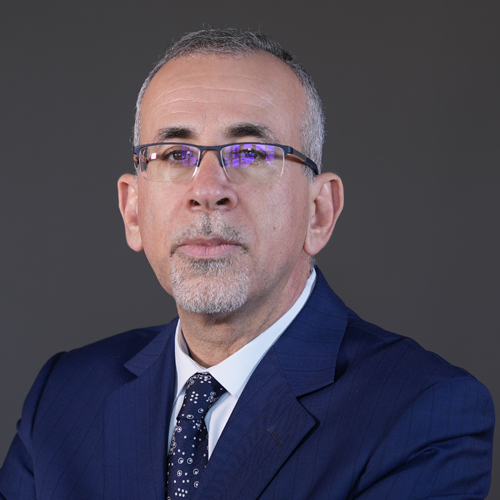
Dr. Mohammad Fteiha
Director of Al Ain Campus
Director of the Centre for Faculty Development and Learning Innovation
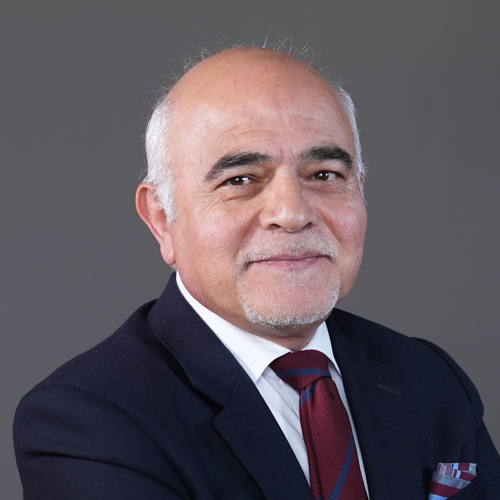
Prof. Ghanem Al Bustami
Professor of Development & Education Psychology, College of Arts, Education & SS, ADU
Conference Coordinators:

Ms. Khulud Abdallah
Ms. Raneem Almadhoun

Ms. Fatma Al Khabi

Ms. Ivy De Jesus
Steering Committee:
Prof. Ghassan Aouad
Prof. Mohamed Dhiaf

Prof. Barry O'Mahony
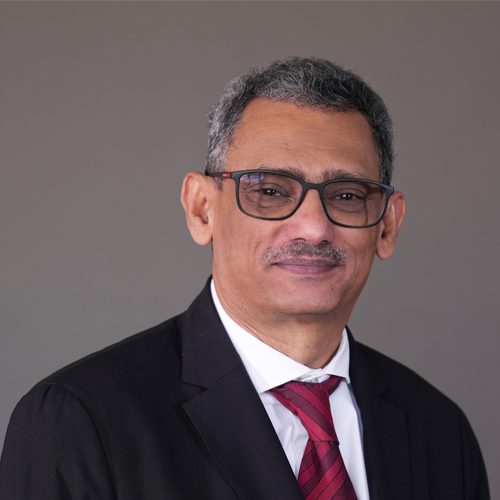
Dr. Hamad Odhabi
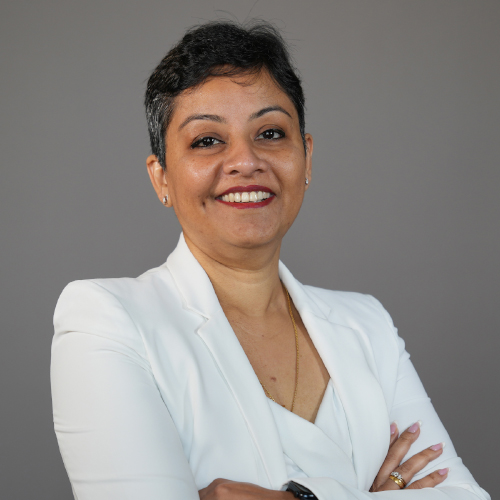
Dr. Sreethi Nair
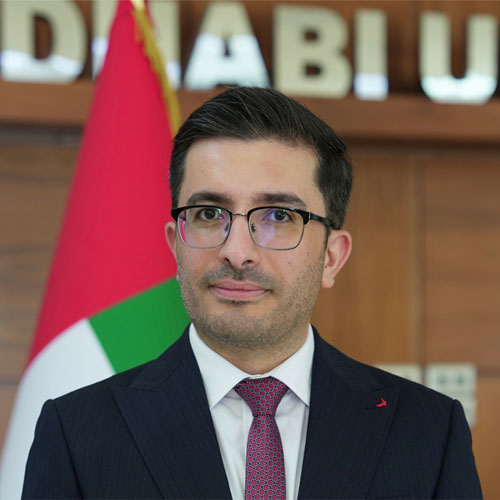
Prof. Montasir Qasymeh
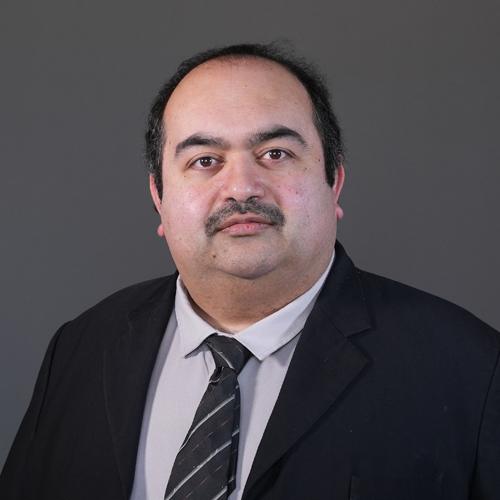
Prof. Mohammed Ghazal
Dr. Mohammad Fteiha
Local Organizing Committee:
Dr. Mohammad Fteiha
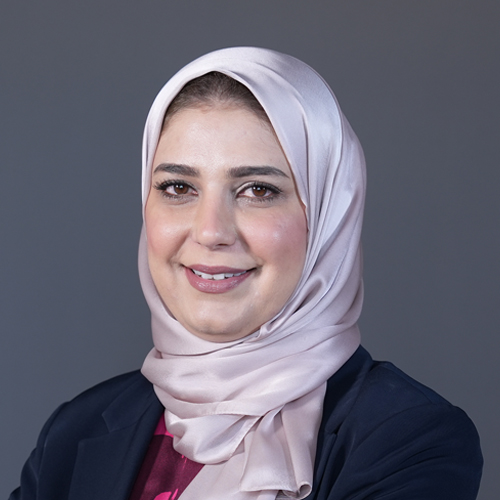
Dr. Nermin Eissa

Dr. Mohammad El Adly

Dr. Dina Imad
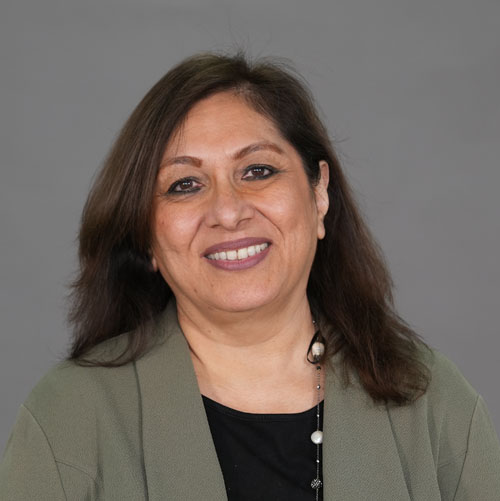
Ms. Deenaz Kanji

Ms. Duha Lababidi
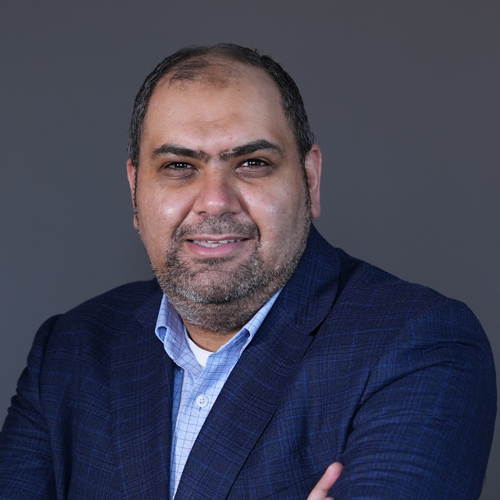
Dr. Murad Al-Rajab

Dr. Khaled Al Omari
Ms. Noor Al Masri

Dr. Sarah Al-Hashimi
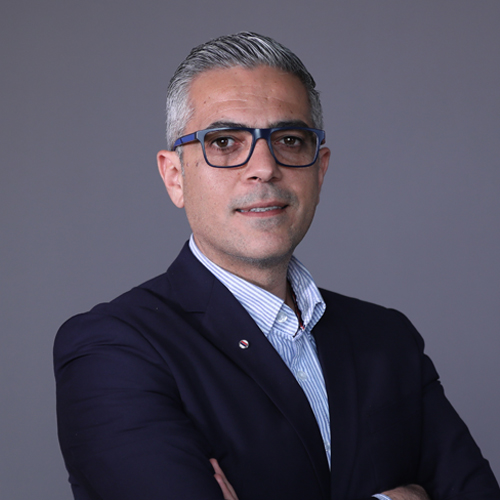
Mr. Sabri Abbas
Ms. Khulud Abdallah
Ms. Raneem Almadhoun
Ms. Fatma Al Kaabi
Ms. Maitha Almansoori
Ms. Mouza Almarzooqi
Scientific and Technical Committee:
Prof. Mohammed Ghazal
Prof. Ghanem Al Bustami

Dr. Daniela Maria Coelho
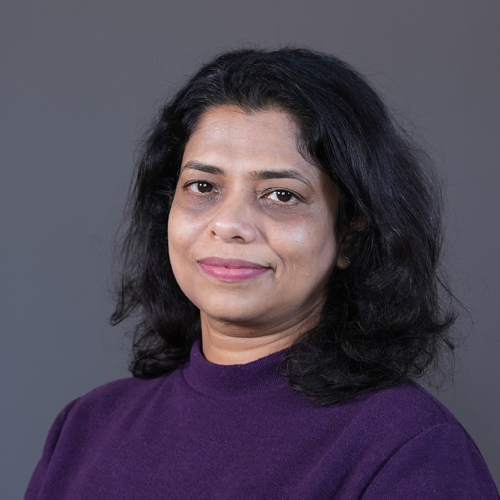
Dr. Smitha Dev

Dr. Sharon Waller

Dr. Ayman Massouti
Dr. Yecid Ortega
Dr. Galyna Dubova
Dr. Mohammad Al Rashaida
Dr. Victor W. Harris, Ph.D., CFLE
Dr. Eila Burns
Dr. Mónica Lourenço
Dr. Andrea M. Capizzi
Prof. Moayyad Homaidi

Dr. Manjola Zaçellari
Dr. Rashid Minas Wattoo
Dr. Connie Mitchell
Dr. Ufuoma Ejoke (PhD)
Dr. Edwin D. Du Plessis

Dr. Ashraf Moustafa
Dr. Heba Nuseibah
Dr. Asma Abdallah
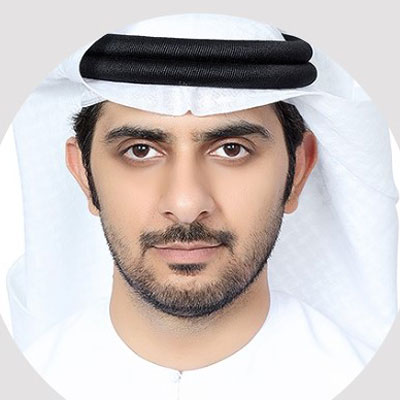
Dr. Ahmed Al Kaabi

Dr. Lawrence Meda
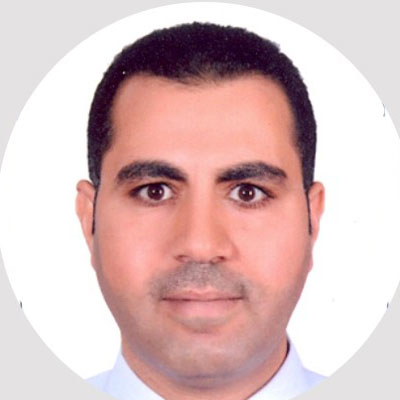
Prof. Ali Ibrahim
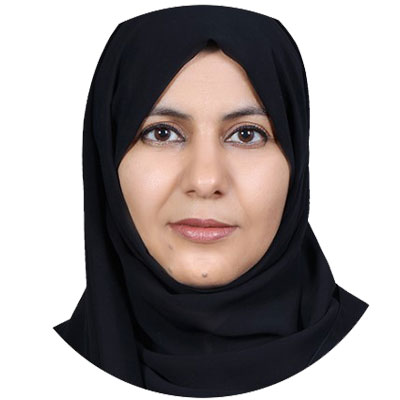
Dr. Shaikah Obaid Al-Taneiji

Dr. Enas AlQodsi
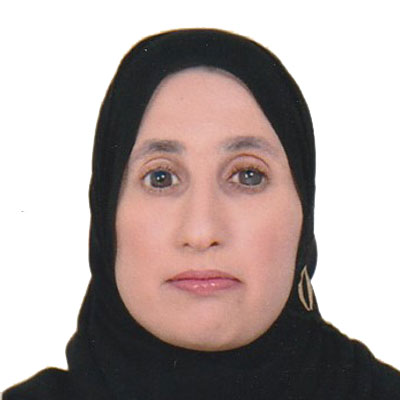
Dr. Muna AlHammadi
Dr. Mohammed Musah
Prof. Ibrahim Amin Al-Qaryouti

Prof. Abdallah Qusef
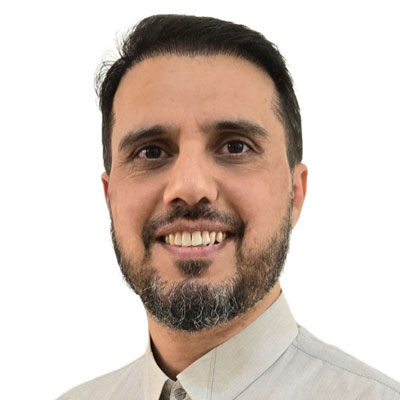
Dr. Hamid Mukhtar, Ph.D. (CS)
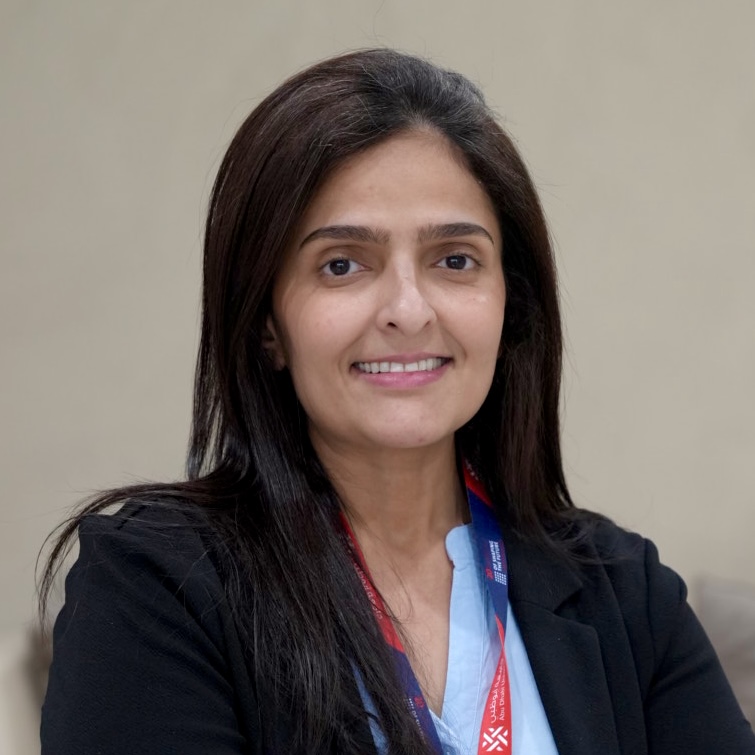
Dr. Areej Ahmed
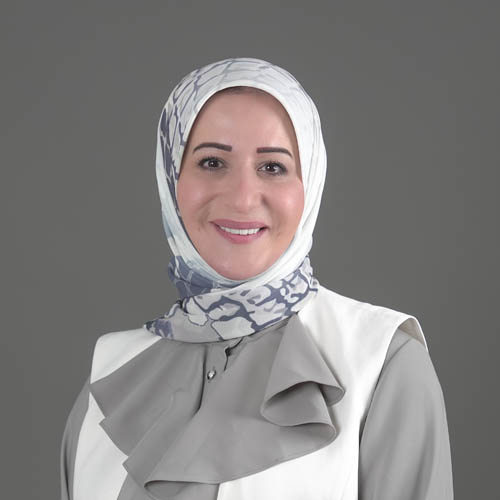
Dr. Sana'a Al Reiahy

Dr. Yara Azouqa
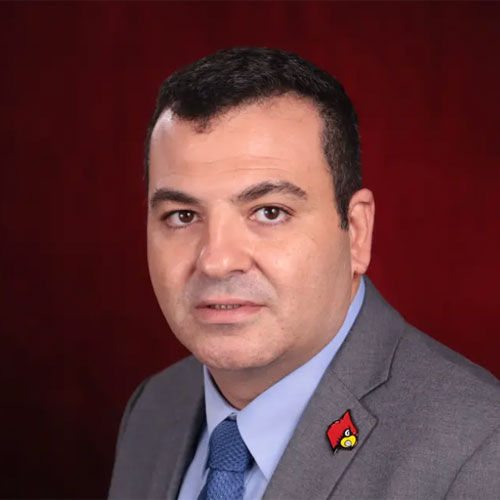
Prof. Ayman El-Baz
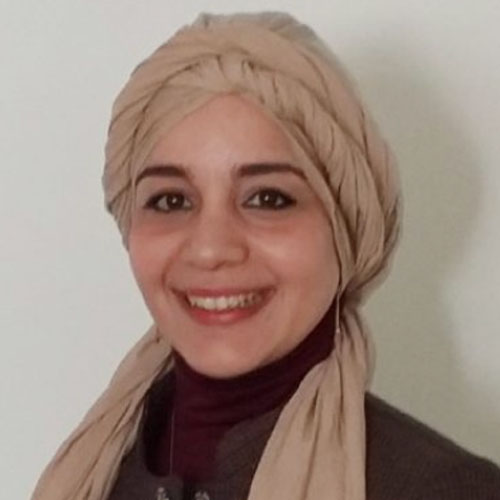
Dr. Islem Rekik
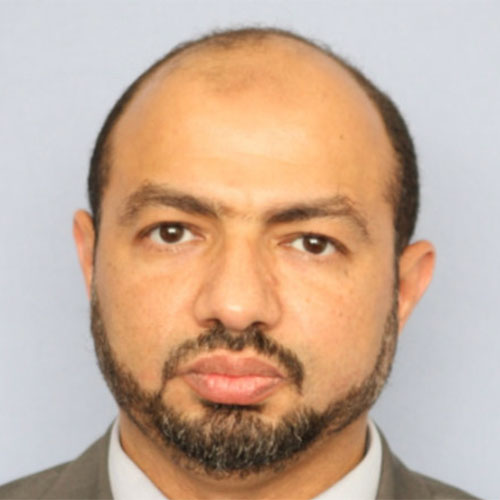
Dr. Wael Elmedany
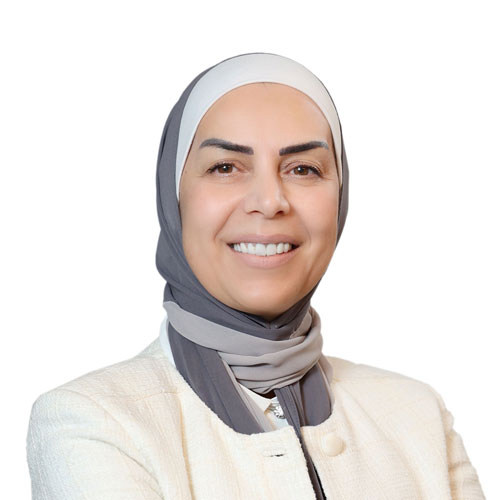
Ms. Amjad Abu Hilal
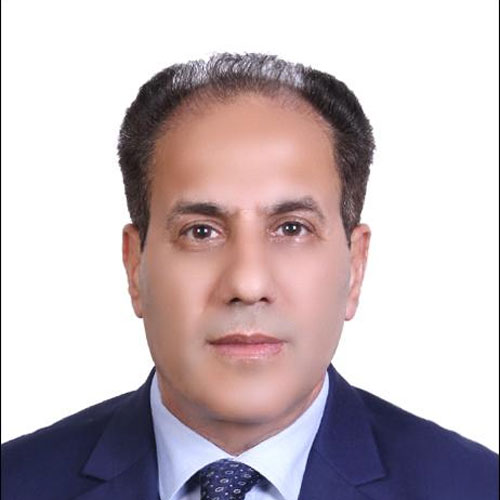
Dr. Najeh Rajeh Alsalhi

Dr. Joyce Pittman, PhD
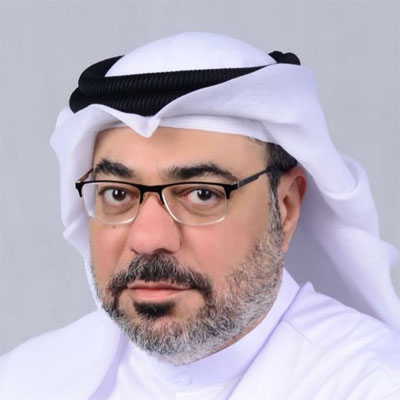
Dr. Osama Mahdi AlMahdi

Dr. Rania Shibl

Dr. Erica Mealy

Dr. Shahrzad Saremi