











































Advances in artificial intelligence, digital transformation, biotechnology, and sustainable engineering are reshaping how societies operate, while global challenges such as climate change, resource scarcity, health crises, and social inequality demand innovative and collaborative solutions.
In this context, universities, industry leaders, policymakers, and researchers have a critical responsibility to work together in developing forward-looking strategies that harness technology and innovation to create resilient and sustainable societies.
The intersection of technology with social, economic, and environmental systems presents unprecedented opportunities to address global challenges through interdisciplinary approaches and collaborative partnerships.
The theme of ICASF 2027 — “Reimagining the Future: Technology, Innovation, and Interdisciplinary Solutions for Global Impact” — reflects the urgent need to rethink traditional development models and explore transformative ideas that integrate technological advancement with sustainability, inclusivity, and ethical responsibility. The conference seeks to explore how emerging technologies and innovative frameworks can be leveraged to drive sustainable economic growth, improve quality of life, and foster resilient communities across the globe.
ICASF 2027 aims to serve as a dynamic international platform that brings together academics, researchers, policymakers, industry experts, innovators, and practitioners from diverse disciplines and regions. Through keynote sessions, panel discussions, and research presentations, the conference will facilitate meaningful dialogue on cutting-edge research, technological breakthroughs, and policy innovations that contribute to sustainable development.
By encouraging interdisciplinary engagement and collaboration, ICASF 2027 seeks to stimulate new ideas, foster global partnerships, and inspire actionable solutions that address pressing global challenges while advancing the collective goal of building a more sustainable and equitable future.
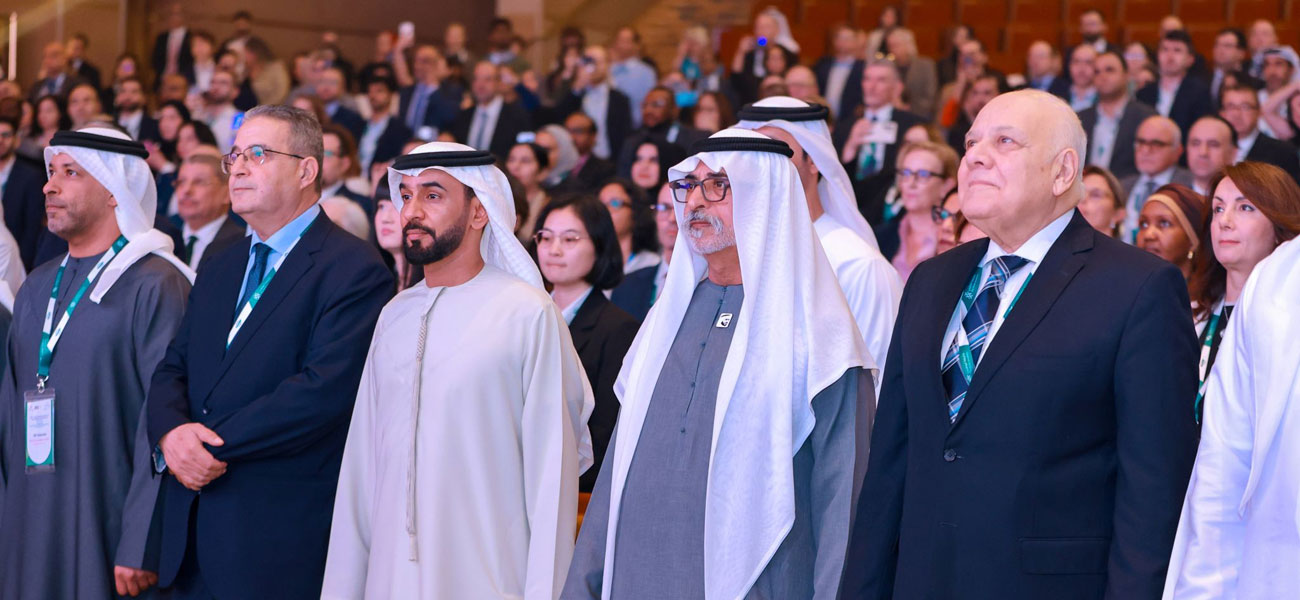
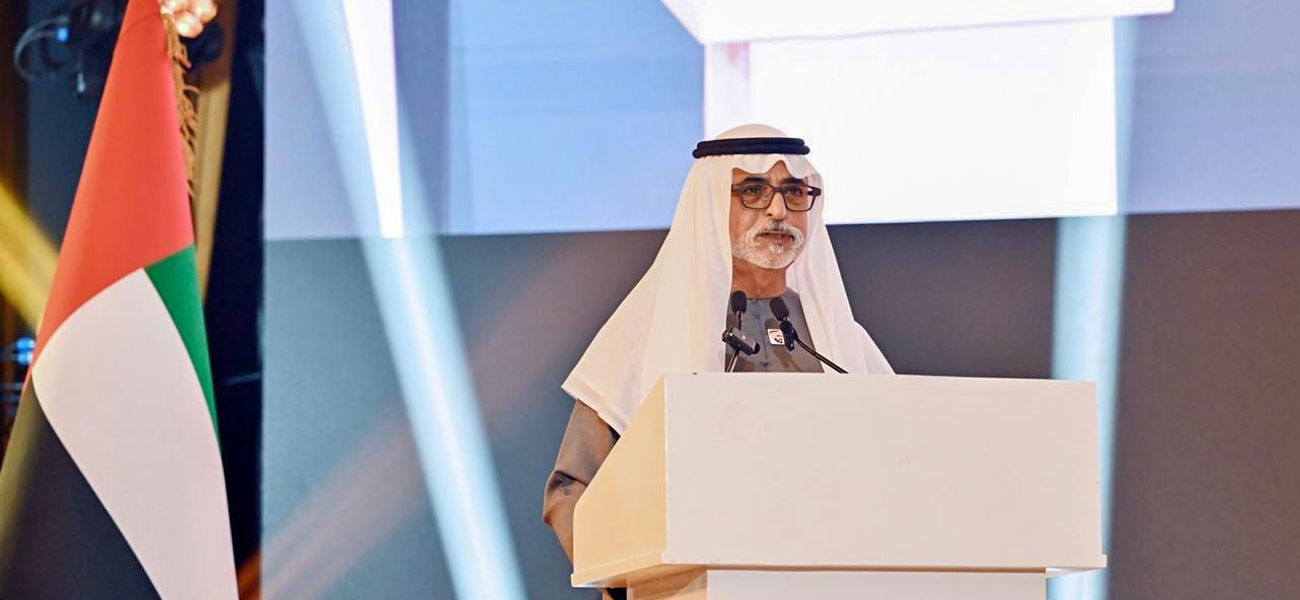
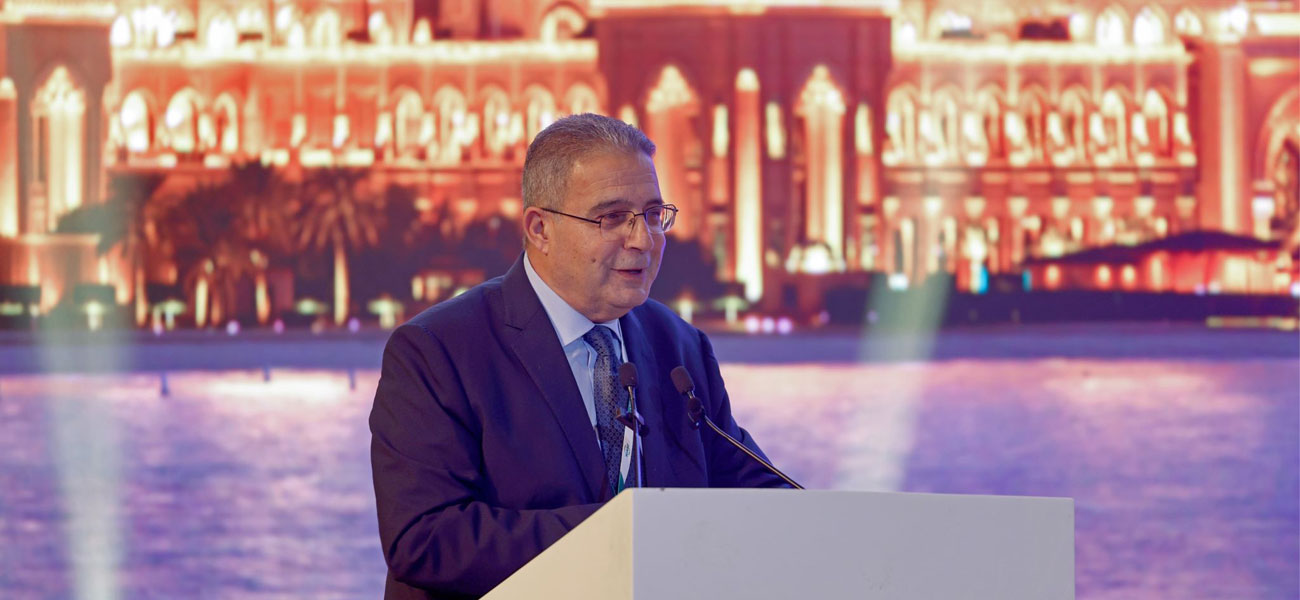
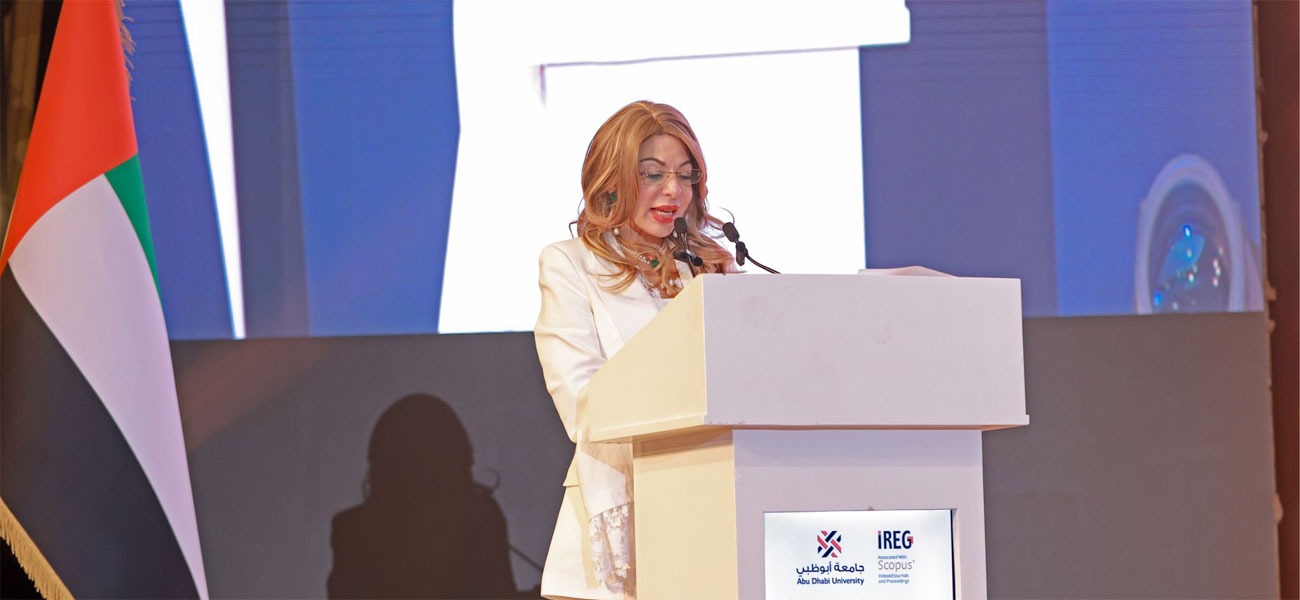
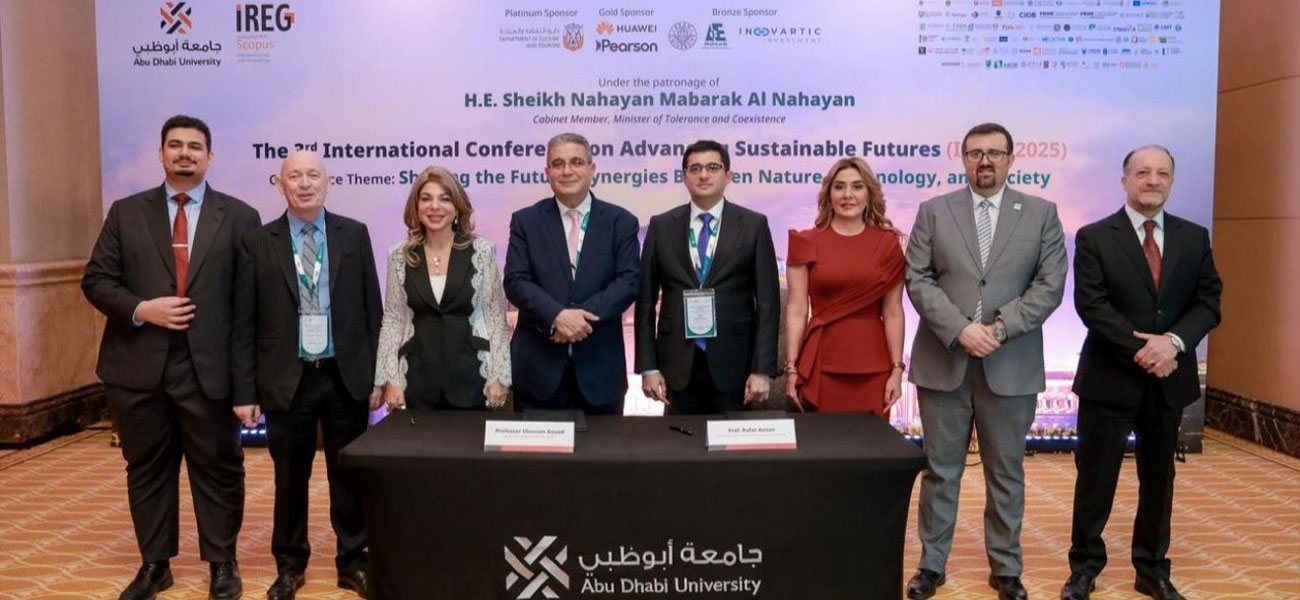
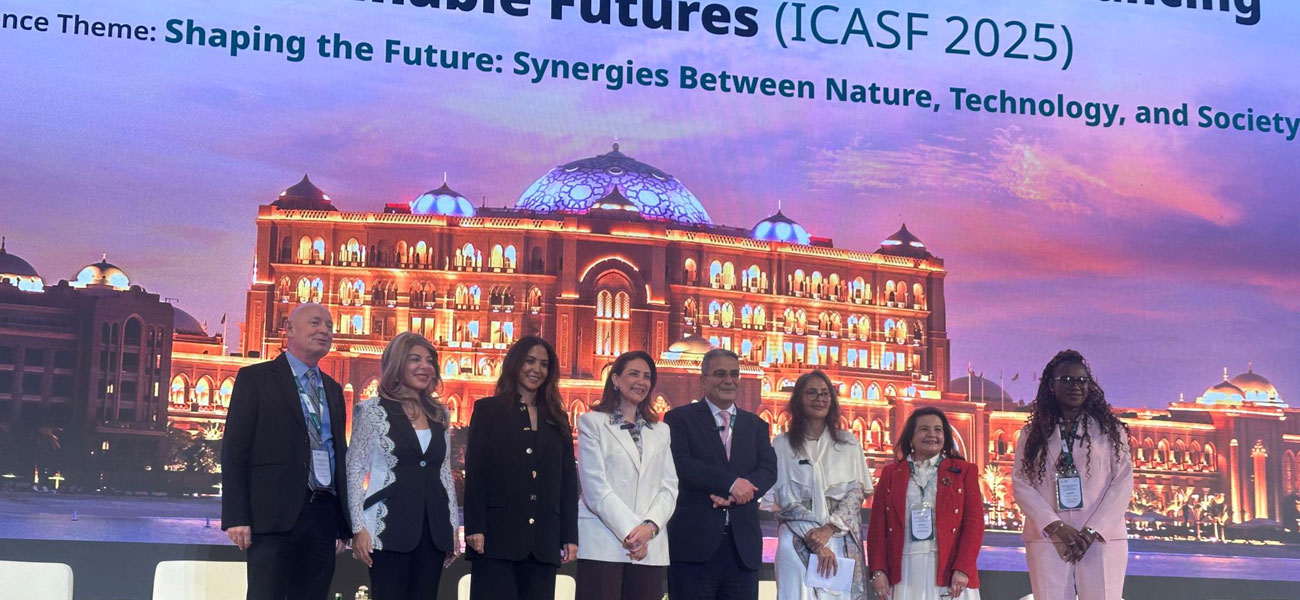
Through these objectives, ICASF 2027 aims to contribute to global conversations on sustainability, technological advancement, and interdisciplinary innovation, supporting the development of solutions that create lasting positive impact for communities and societies worldwide.
ICASF 2027 CALL FOR PAPERS
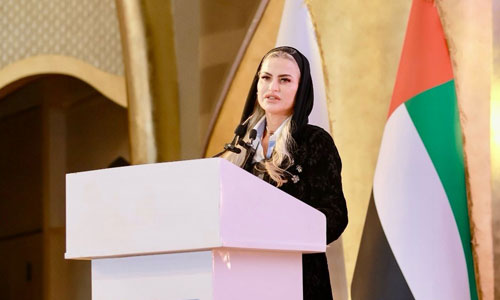
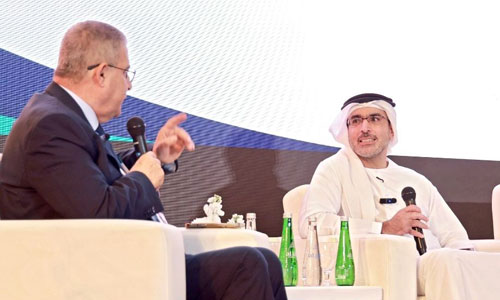
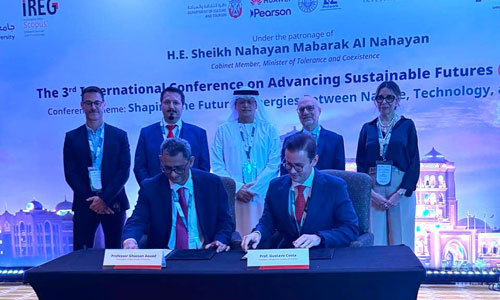
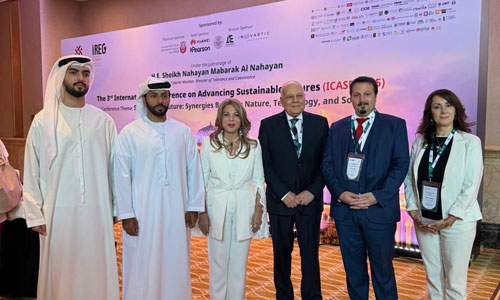
ICASF 2027 is committed to aligning its objectives with the 17 Sustainable Development Goals (SDGs) established by the United Nations. The conference seeks to promote research and dialogue that contribute to sustainable development through technological advancement, interdisciplinary collaboration, and global partnerships.
In particular, ICASF 2027 emphasizes contributions that support the following SDGs



We welcome papers that advance the future of sustainability in a wide range of areas related to the environment, people, products, processes, and technologies from various disciplines. We welcome contributions from all disciplines, and topics of interest include (but are not limited to):



* In collaboration with City University of Hong Kong






In addition, undergraduate and graduate students can present their early findings of research at this conference.
Scholars, researchers, practitioners, and decision-makers with an interest in the intersections of nature, technology, and society are invited to contribute to ICASF 2027. This conference offers a platform for advancing sustainable futures through innovative solutions and multidisciplinary research. Academic institutions, government bodies, and private sector organizations will benefit from exposure to groundbreaking research that addresses the challenges and opportunities at the convergence of technology, sustainability, and societal development.
For those unable to attend in person, virtual participation options are available, allowing you to present your research to a global audience and engage with leading experts from around the world.
We look forward to your contributions as we work together to shape the future!



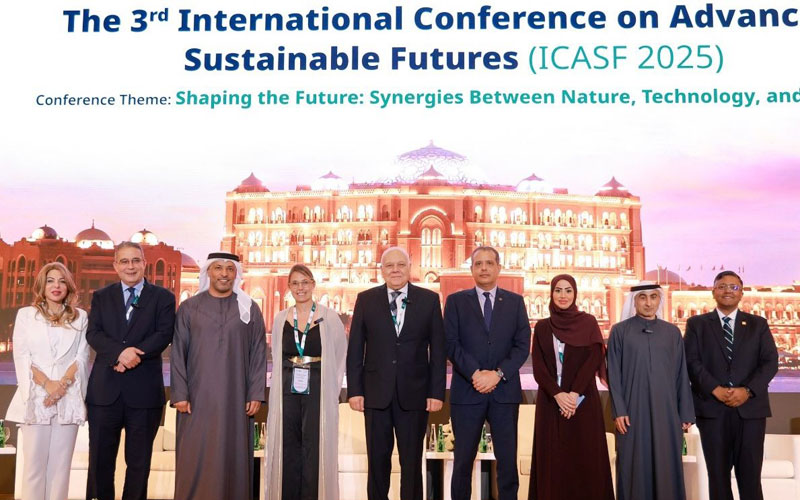
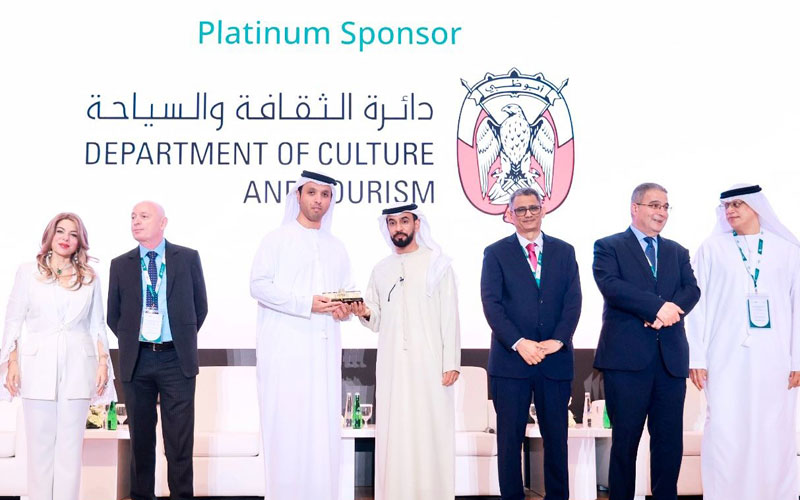
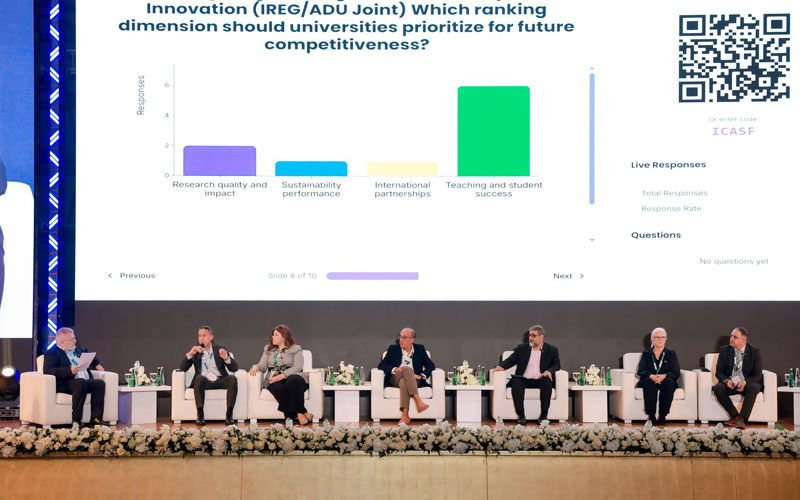
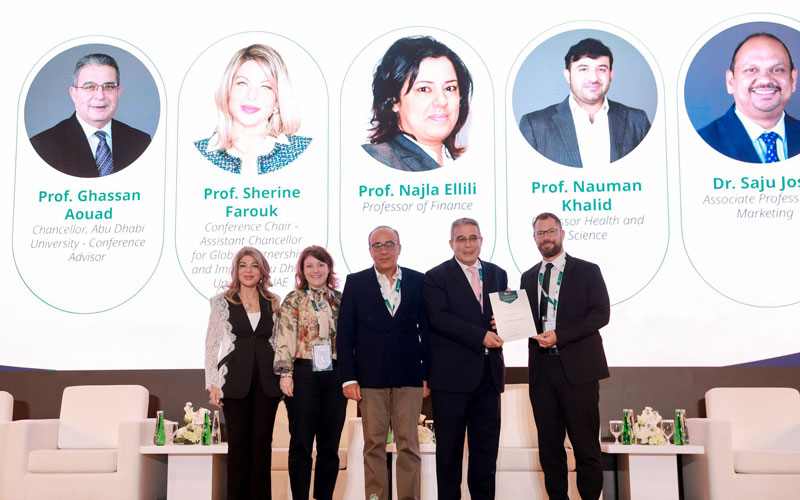
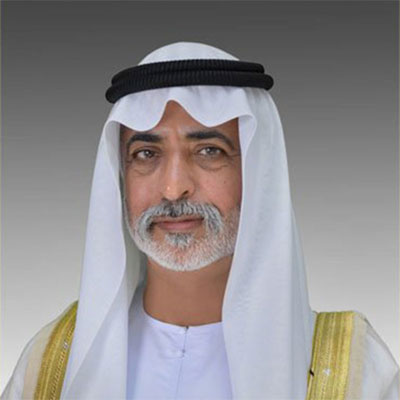
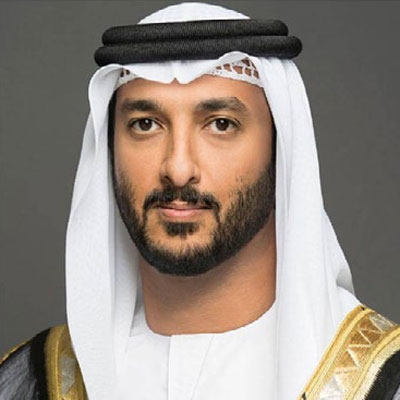
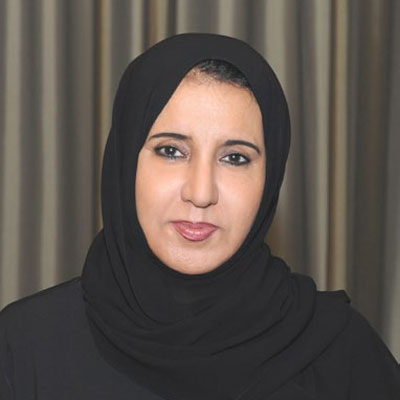
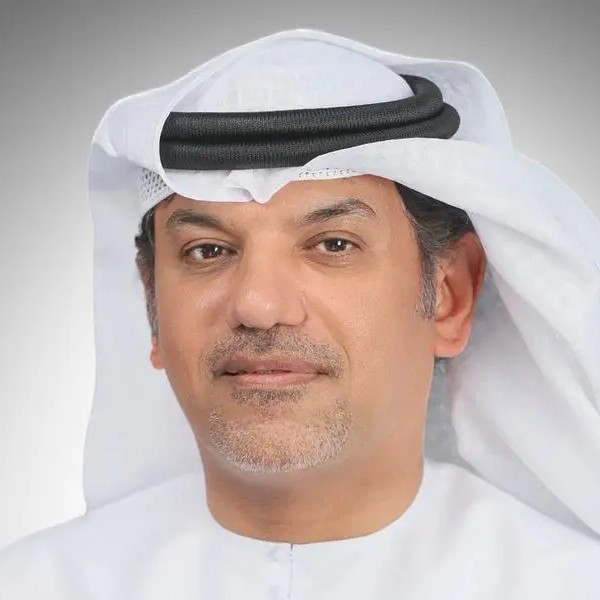


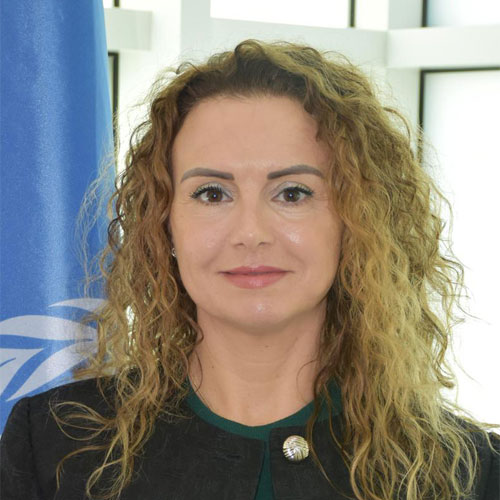
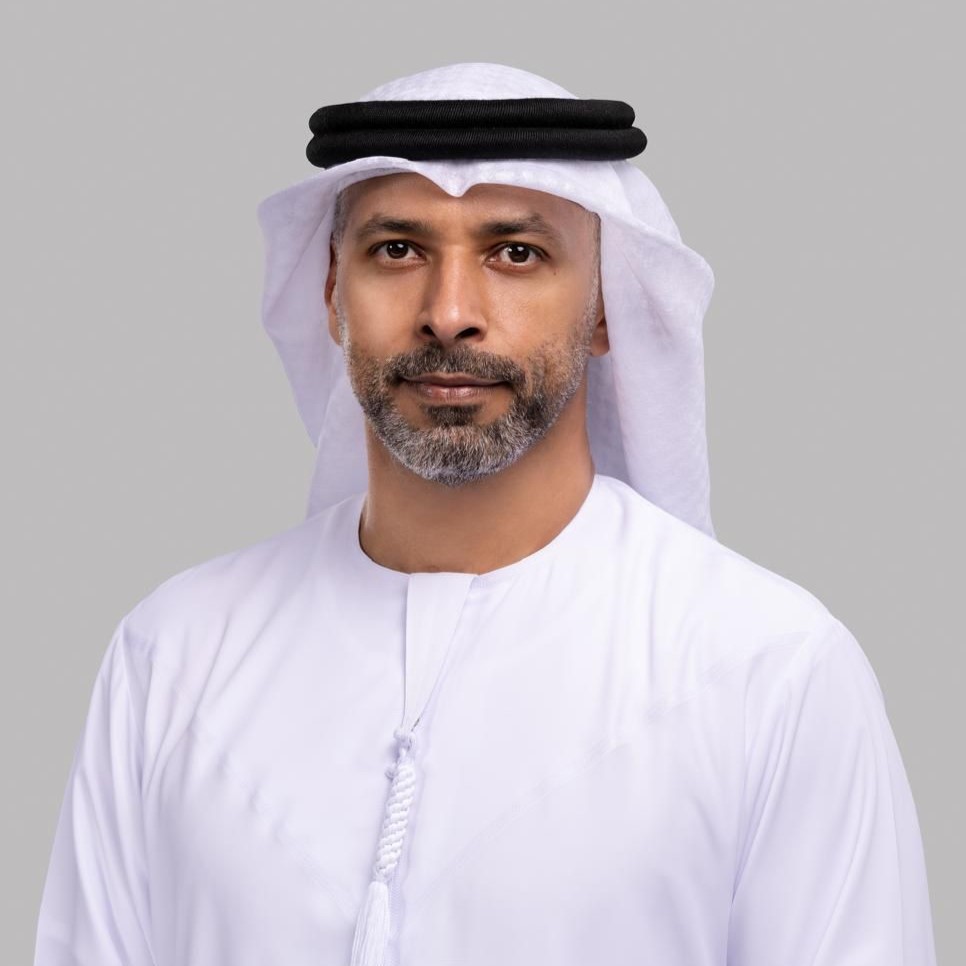
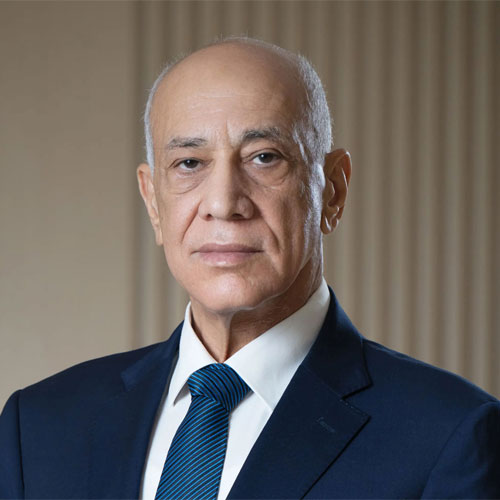
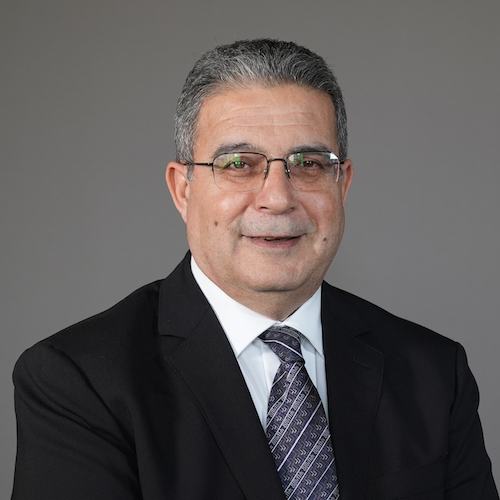
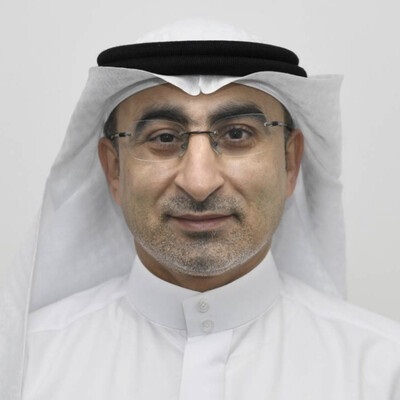

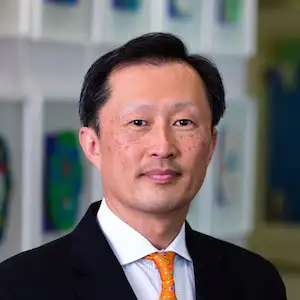
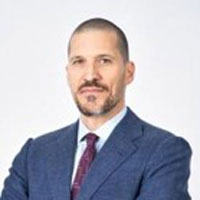

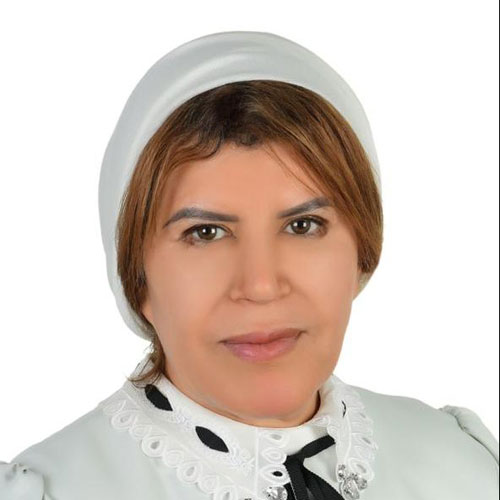
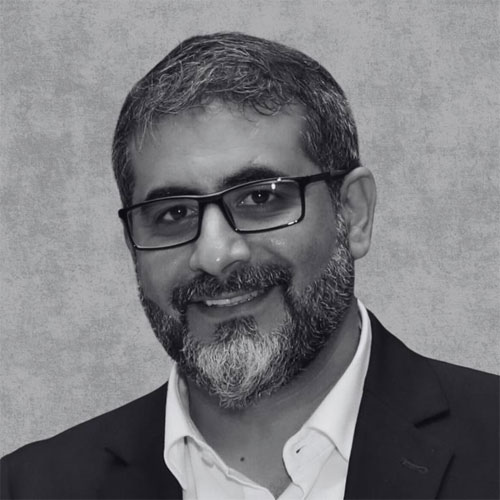
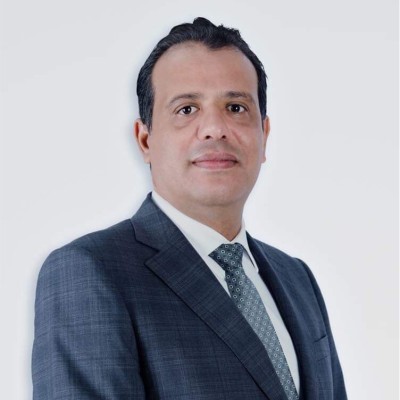


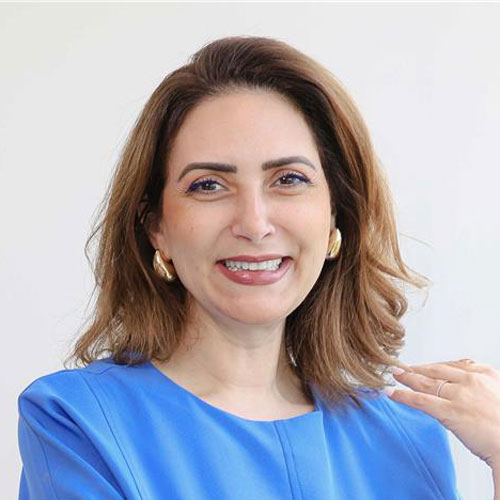

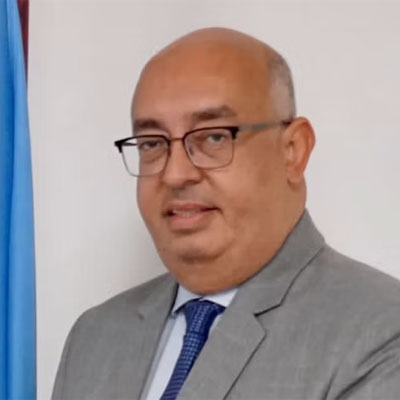
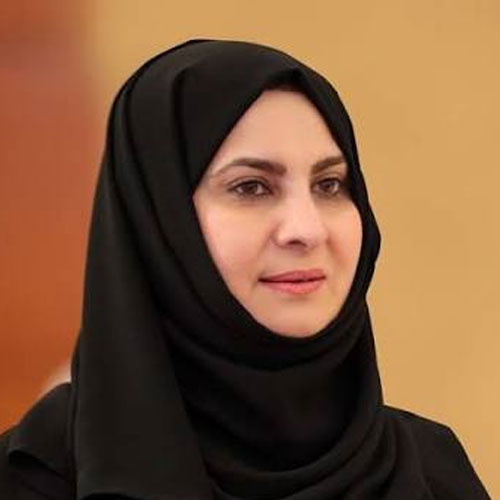


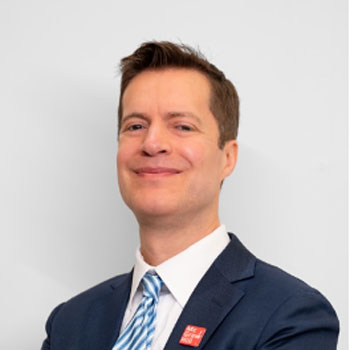

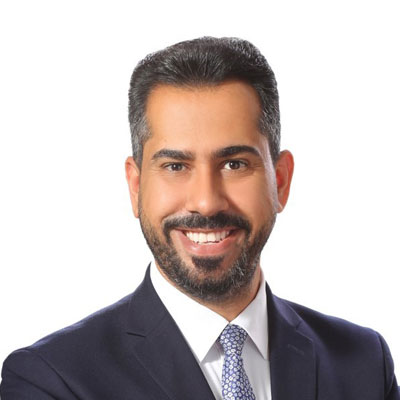
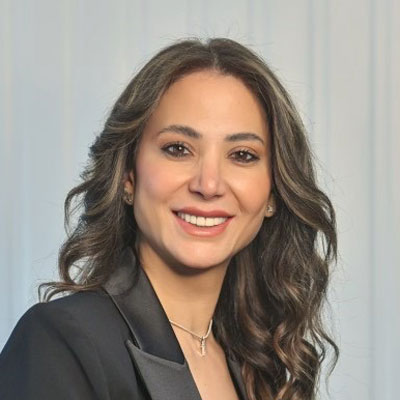



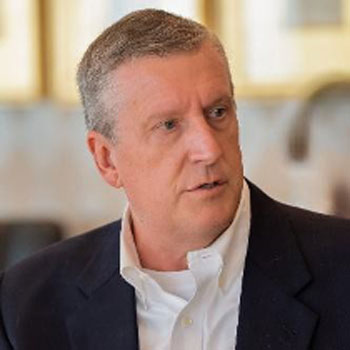
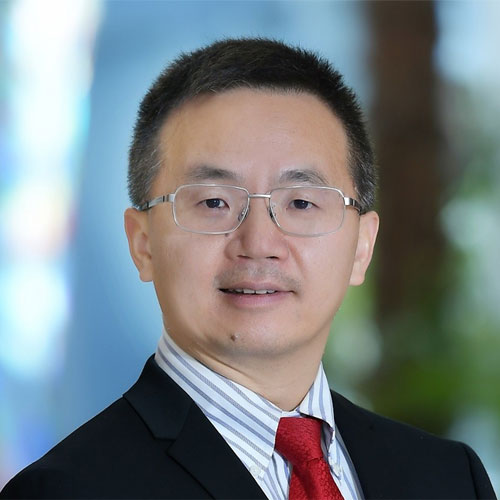

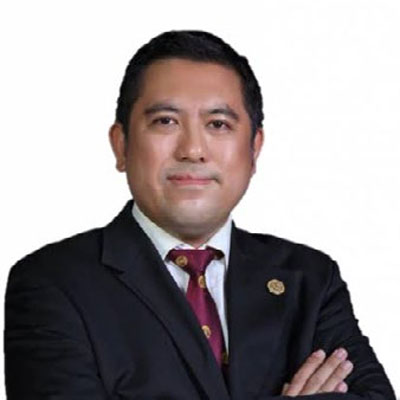
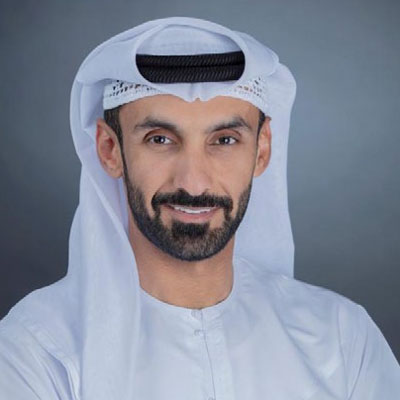

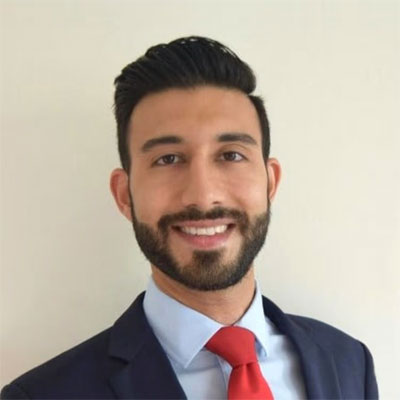
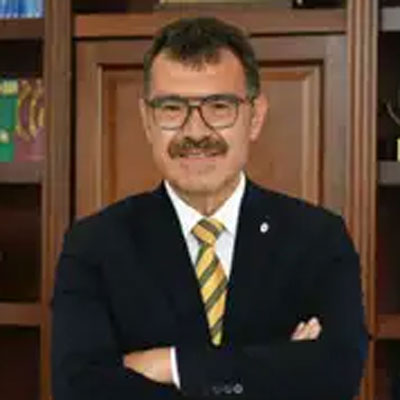

Overview: This high-level session will explore the Arab region’s next phase of economic and sustainable development, with a focus on economic transformation, regional cooperation, resilience, and shared prosperity. The discussion will also consider the role of technology, artificial intelligence, financing, infrastructure, and stronger partnerships in addressing common regional challenges and creating new opportunities.
SDG Alignment:

Objectives: To identify the key reforms, partnerships, and policy approaches needed to build more resilient, competitive, and inclusive economies across the Arab region. The session will highlight how stronger regional cooperation, effective institutions, innovation, and better alignment of international support with national priorities can contribute to long-term sustainable development.
Under-Secretary-General and Executive Secretary of the United Nations Economic and Social Commission for Western Asia (ESCWA); Former Egyptian Minister.
Read Bio
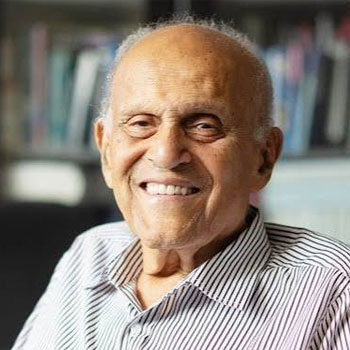
Overview: This distinguished guest session will explore the evolution of heart care from pioneering surgical breakthroughs to a broader vision of accessible, equitable, and sustainable cardiovascular healthcare for all. The discussion will consider how medical innovation, research, preventive care, education, technology, and international collaboration can reduce disparities in cardiovascular outcomes. It will also highlight the need to strengthen health systems, expand specialist capacity, support early diagnosis, and ensure that advances in cardiac care reach underserved populations. The session directly complements the conference’s Health, Biotechnology and Well-being track, which includes public health, health-system sustainability, biomedical innovation, digital health, and medical technologies.
SDG Alignment:
Objectives: Reflect on the contribution of pioneering cardiac surgery and research to the transformation of modern heart care. Explore how innovation, digital health, biotechnology, and medical technologies can improve cardiovascular prevention, diagnosis, and treatment. Examine strategies for making high-quality heart care more accessible and affordable, particularly in underserved communities. Highlight the importance of education, specialist training, research capacity, and international knowledge exchange. Encourage partnerships among hospitals, universities, governments, charities, and industry to strengthen sustainable cardiovascular health systems.
Founder and Director of Research, Magdi Yacoub Institute; Professor of Cardiothoracic Surgery, National Heart and Lung Institute, Imperial College London

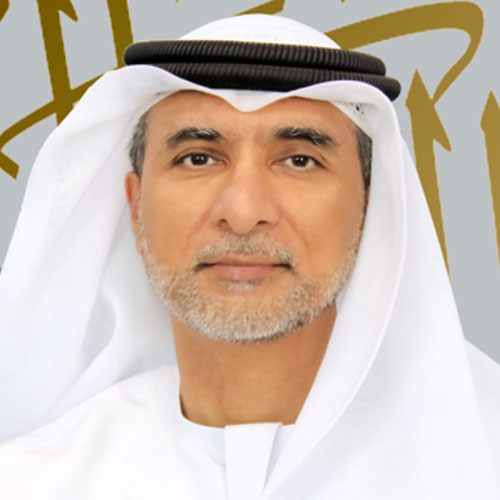
Expert: Operational Excellence, Quality Management,
Innovation & Sustainability at Environment Agency
– Abu Dhabi (EAD), UAE
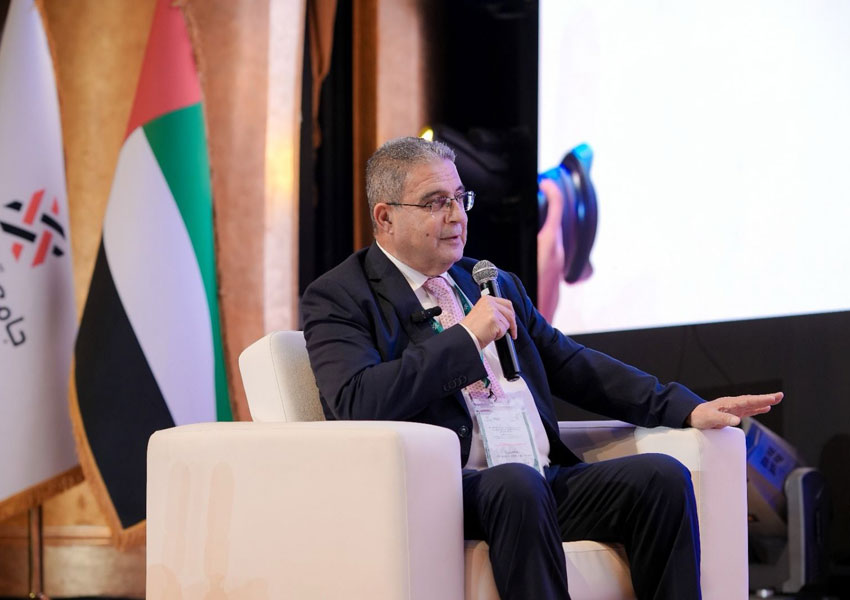
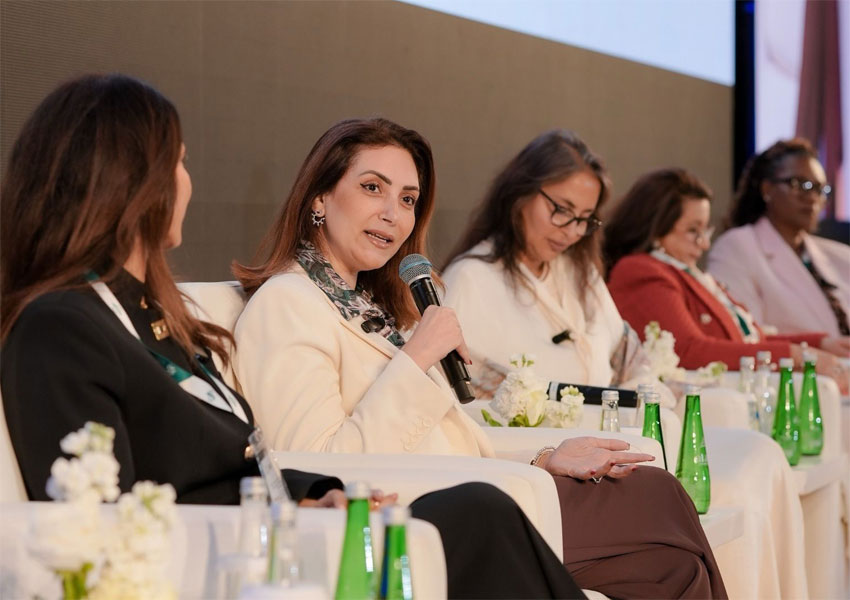
Panel discussions serve as a platform for professionals and experts from diverse industries, policymaking realms, and academic backgrounds to exchange best practices and delve into advancing topics. By integrating various viewpoints, these discussions foster collaboration, interdisciplinary exchange, and audience engagement. Attendees are empowered to actively participate by posing questions and contributing to the conversation, gaining valuable insights into emerging trends, cutting-edge research, and best practices. Such dynamic forums not only enrich learning outcomes but also cultivate networking opportunities and ignite innovation within the conference environment.

Overview: This high-level policy dialogue will bring together senior government representatives and policy leaders to discuss how energy transition, climate resilience, innovation, and economic diversification can collectively shape sustainable futures. The session will provide an important platform to highlight the UAE’s leadership in advancing clean energy, sustainability, and future-ready economic transformation, while encouraging cross-sector dialogue on the policies, partnerships, and technologies needed to accelerate progress toward national and global sustainability goals.
SDG Alignment:
Objectives: Examine how climate technologies can address environmental and sustainability challenges. Highlight innovations in renewable energy, green infrastructure, and resource efficiency. Discuss investment and policy enablers for climate-tech adoption. Promote scalable solutions for sustainable development and climate resilience.
Moderator
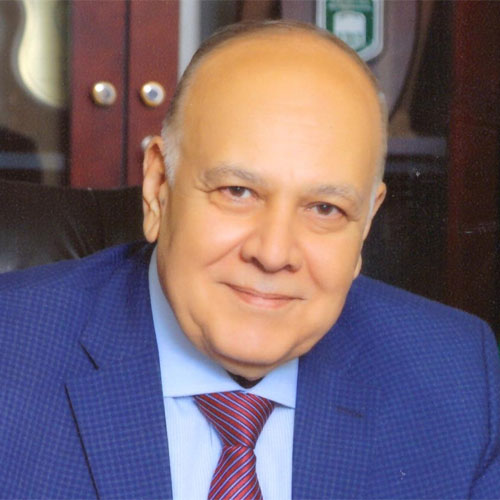
Undersecretary of the Ministry of Climate Change and Environment (MOCCAE), UAE
Chief Researcher - Renewable and Sustainable Energy Research Center (RSERC), UAE
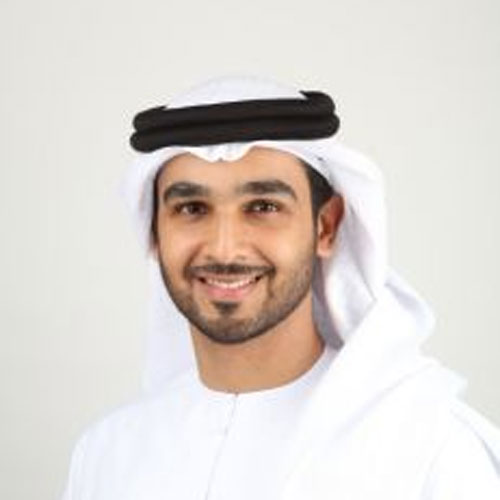
Vice President, Innovation and R&D, TAQA, UAE

Head of Educational Media - Cairo University
Founder of the
Arab Universities Knowledge Network for Climate Change and
Carbon Footprint (AUKNCCF), Egypt
Read Bio
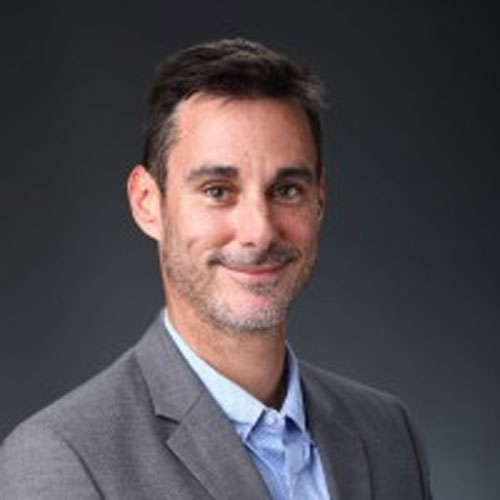
CANIE Europe Vice President, Sustainability & Strategic
Partnerships Director Intercultural Ourreach Initiative (IOI)
Chair
of the Accademia Europea di Firenze - AEF Sustainability Action
Group, Italy

Associate Director of University Development Office at Abu Dhabi
University
Read Bio
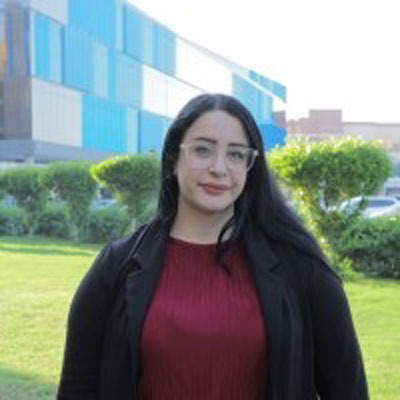
Senior Sustainability Manager, Ajman University, UAE
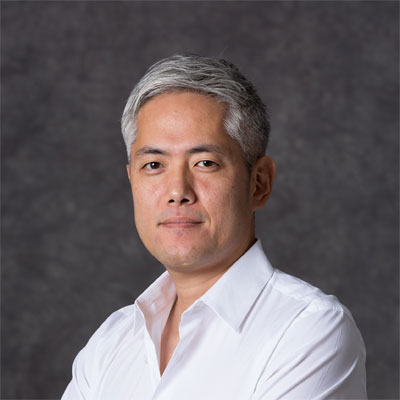
Founder, DAS ( Driving Acceleration and Synergy), UAE
Read Bio
* Ministry of Economy and Tourism of the UAE / ADU Joint Panel Discussion
Overview: This high-level panel will bring together university presidents, chancellors, and senior leaders to discuss how institutional leadership can translate sustainability commitments into measurable impact. The discussion will explore how universities can embed climate action and the SDGs into institutional strategy, education, research, innovation, governance, campus operations, and global partnerships, while preparing future generations to lead sustainable transformation and contribute to national and international development priorities.
SDG Alignment:

Objectives: Discuss the role of presidential and institutional leadership in advancing climate action and the SDGs. Explore how universities can integrate sustainability into governance, education, research, and operations. Highlight strategies for transforming vision and policy commitments into measurable institutional and societal impact. Strengthen collaboration among universities, governments, industry, and communities to accelerate climate and sustainability solutions.
Moderator
Chancellor, Abu Dhabi University, UAE
Read Bio
Secretary General, Association of Arab Universities; Former
Minister of Higher Education, Scientific Research and
Technology, Jordon
Read Bio
President, Khalifa University, UAE
Read Bio
Chancellor, University of Sharjah
Read Bio
Vice Chancellor, United Arab Emirates University, UAE
Read Bio
Senior Associate Vice Provost, New York University Abu Dhabi, UAE
Read Bio
President, Liwa University, UAE
Read Bio

Director of the Talent Empowerment and Growth Department, Abu
Dhabi University, UAE
Read Bio

Director General - International Affairs Bureau, Ministry of
Interior, UAE
Read Bio
Director of Higher Education Policies, Academic Planning and
Lifelong Learning (MOHESR), UAE
Founder and Director of Research, Magdi Yacoub Institute; Professor of Cardiothoracic Surgery, National Heart and Lung Institute, Imperial College London
Overview: This panel will discuss how universities, industry, and government can work together to build strong innovation ecosystems that support research commercialization, entrepreneurship, technological advancement, and sustainable economic growth. The discussion will explore effective collaboration models, startup support, innovation funding, policy enablement, and knowledge transfer mechanisms that help translate academic research and creative ideas into practical solutions with real-world economic, social, and environmental impact.
SDG Alignment:
Objectives: Explore effective models of university–industry–government collaboration. Discuss mechanisms to accelerate innovation, startups, and commercialization. Identify how innovation ecosystems can create economic and societal value. Strengthen partnerships that translate research into real-world impact.
Moderator
Professor of Clinical and Health Psychology
Head of Research, Dubai
University of Birmingham Dubai
Co-Chair, UAE Universities Climate Network, UAE
Read Bio
Advisor to Group Chairman and Independent Board Member at Alserkal Group of Companies,
UAE Circular Economy Council Member,
UAEIIC Member,
Co-Founder of Blink,
Chairperson at Copperstone Education
Read Bio
Vice President - ESG & Sustainability - EMSTEEL Group
Read Bio
Managing Partner, Bamford Associates LLC; Internationally Recognized Expert in Strategy and Entrepreneurship
Read Bio
UCN Co-Chair and R&I Co-Lead, UAE
Read Bio
Head of Cybermetric Lab Scimago Group, Webometrics, Spain
Read Bio
Chair of the UI GreenMetric World University Rankings,Indonesia

Senior Consultant, Shanghairanking Consultancy, China
* Ministry of Economy and Tourism of the UAE and UAE UCN / ADU Joint Panel Discussion
Overview: This high-level panel will explore how artificial intelligence is shaping the future of humanity by transforming education, economies, governance, social systems, and global development. The discussion will focus on how AI can be used to build more inclusive, resilient, and future-ready societies while ensuring that technological progress remains centered on human dignity, equity, and shared prosperity.
Experts will examine the opportunities AI presents for innovation, decision-making, crisis preparedness, education, healthcare, and sustainable development, while also addressing key challenges such as digital exclusion, bias, privacy, unequal access, and responsible adoption. The panel will highlight how human-centered AI can support vulnerable communities, empower women and youth, strengthen resilience, and create meaningful global impact.
SDG Alignment:

Objectives: Examine how AI is reshaping humanity across education, governance, economies, and society. Explore how AI can support inclusion, resilience, and equitable access to opportunities and services. Discuss how AI can empower vulnerable communities, women, youth, and displaced populations. Highlight the role of universities, governments, international organizations, and civil society in ensuring AI delivers meaningful global impact. Promote cross-sector collaboration to ensure AI becomes a tool for inclusive progress and sustainable human development.
Moderator
Founder and CEO, Knowledge E
Read Bio
Founder & CEO, Empowering Women Middle East; Head of Philanthropy & Sustainability Advisor to H.E. Sheikh Marwan bin Mohammed bin Rashid Al Maktoum
Read Bio
Head, United Nations Office for the Coordination of Humanitarian Affairs (UNOCHA), UAE
Read Bio
Executive Board Member, Sheikha Fatima Fund, UAE
Read Bio
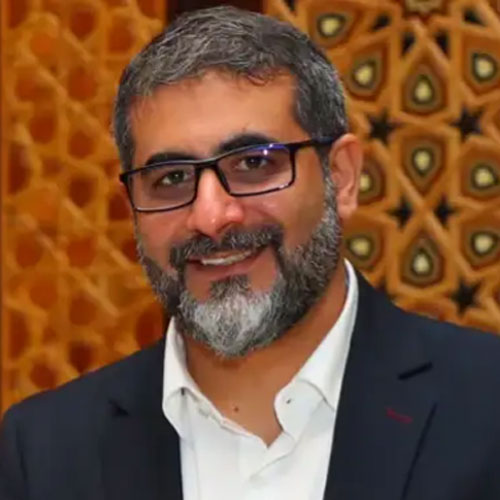
Principal Consultant, Quacquarelli Symonds (QS)
Read Bio
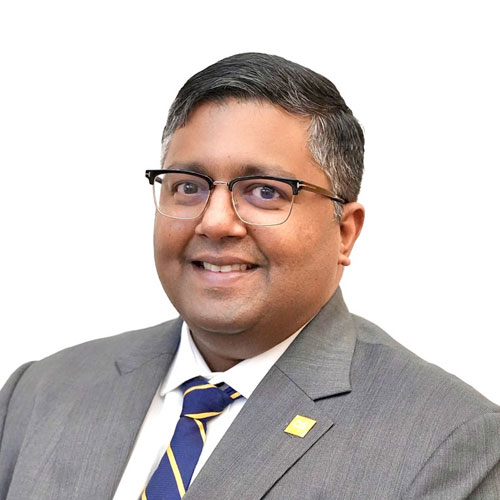
Executive Director (AMESA), Quacquarelli Symonds (QS), UK
Read Bio
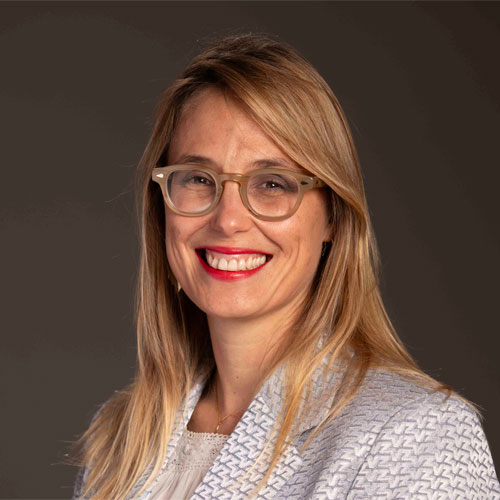
Chancellor, Sorbonne University Abu Dhabi, UAE
Read Bio
Overview: This panel will explore how education systems, universities, industry, and policymakers can work together to prepare learners and professionals for an AI-driven future. As artificial intelligence transforms the nature of work, skills, teaching, learning, and employability, there is an urgent need to rethink curricula, upskilling strategies, digital literacy, and lifelong learning models. The discussion will highlight how higher education can equip future graduates with the technical, analytical, creative, ethical, and human-centered skills needed to thrive in rapidly evolving workplaces and contribute meaningfully to sustainable economic and social development.
SDG Alignment:
Objectives: Discuss how AI is reshaping education, employment, skills, and the future of work. Explore strategies for integrating AI literacy, digital transformation, and future workforce skills into education systems. Highlight the role of universities, industry, and policymakers in preparing graduates and professionals for AI-enabled workplaces. Examine the importance of ethical, human-centered, and inclusive approaches to AI-driven education and workforce development. Promote lifelong learning, reskilling, and upskilling as essential pathways for sustainable and future-ready economies.
Moderator
SVP & Managing Director, Higher Ed, McGraw Hill
Read Bio
* Mc Graw Hill / ADU Joint Panel Discussion
Overview: This panel will examine how artificial intelligence can accelerate progress toward the Sustainable Development Goals while strengthening measurable impact, ranking performance, and institutional excellence. The discussion will highlight how AI can support data-driven decision-making, sustainability reporting, research visibility, resource optimization, and scalable solutions for global challenges.
SDG Alignment:
Objectives: Explore how AI can accelerate SDG progress and measurable impact. Highlight AI’s role in sustainability reporting, ranking performance, and institutional excellence. Discuss how universities, governments, industry, and research institutions can drive responsible AI-based solutions. Identify scalable AI innovations that support sustainable development and global impact.
Moderator

President of Higher Education Strategy Associates (Canada),
Canada
Vice Rector for Sustainable Campus and Living Lab, Politecnico di Torino, Italy
Read Bio
Executive Director, Association of Arab Universities
Read Bio
Dean, USEK School of Business at Holy Spirit University of Kaslik, Lebanon
Read Bio
Dean of the Adnan Kassar School of Business, Lebanese American
University, Lebanon
Read Bio
Advisor to the Rector on Rankings, Azerbaijan State Oil and Industry University, Azerbaijan
Read Bio
Vice President, Global Sales, THE (Times Higher Education)
Read Bio
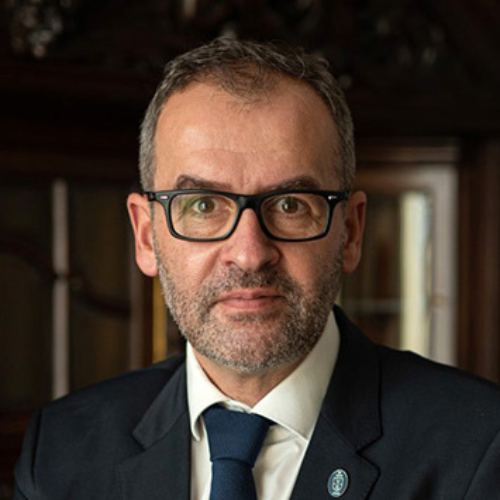
Rector University of Gdansk, Poland
Read Bio
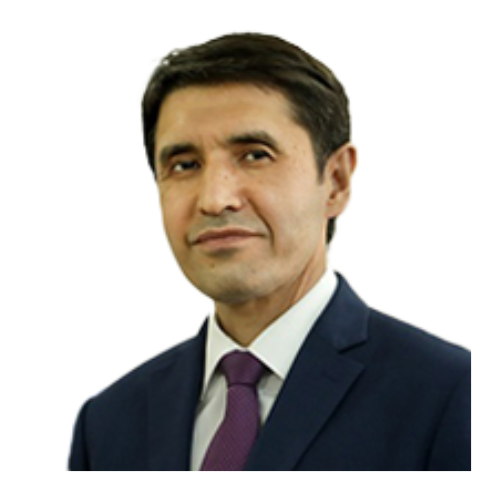
Rector Westminster International University in Tashkent,
Uzbekistan
Read Bio
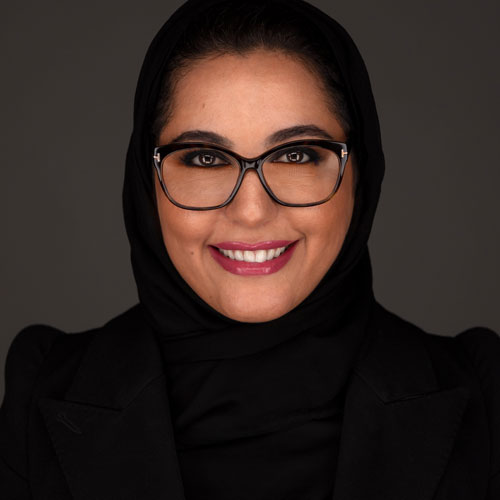
Assistant Vice President for Planning at Kuwait University,
Kuwait
Read Bio
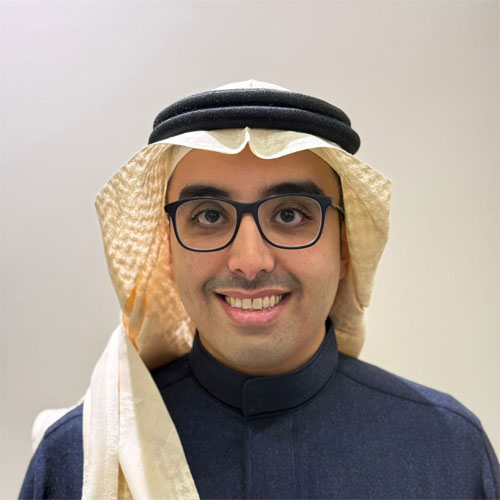
Vice Dean for Research and Innovation (DRGS) - King Khalid University, Saudi Arabia
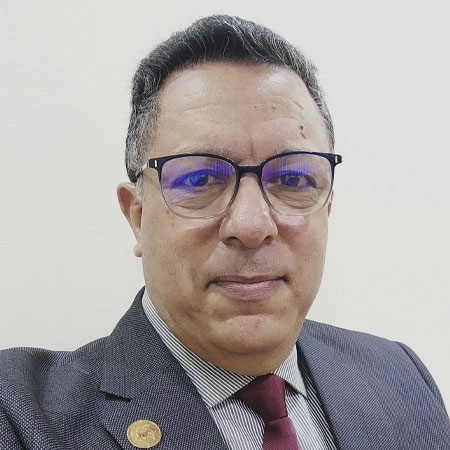
Secretary General - Federation of Arab Scientific Research
Councils, Morocco
* AI Futures Summit / ADU Joint Panel Discussion
Overview: This panel will examine the ethical, legal, and societal challenges emerging from rapid digital transformation, including privacy, cybersecurity, data protection, algorithmic bias, accountability, digital rights, and public trust. Experts will discuss how institutions, governments, and industry leaders can promote responsible innovation through transparent governance, ethical frameworks, and inclusive digital policies that ensure technology serves people, strengthens confidence, and contributes positively to sustainable development.
SDG Alignment:
Objectives: Discuss ethical and governance challenges in the digital age. Examine issues of privacy, cybersecurity, trust, and accountability. Explore how institutions can foster responsible innovation. Identify frameworks for building public confidence in digital systems.
Moderator

Vice Chancellor for AI and Operational Excellence, Abu Dhabi
University, UAE
Read Bio
Director of UNESCO-UDO
Read Bio
Co-Founder & Chairperson, Emirates Environmental Group
Read Bio
Vice President and Regional Director – Middle East, Africa & Central Asia, Emerald Group Publishing, UK
Read Bio
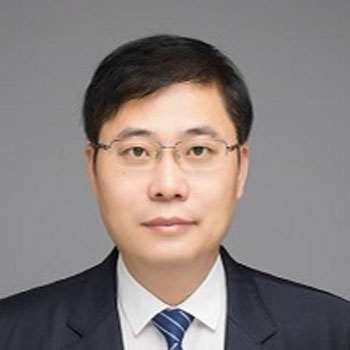
Vice President, Northwestern Polytechnical University

Ambassador, Embassy of the Republic of Slovenia in Abu Dhabi,
Slovenia
Read Bio
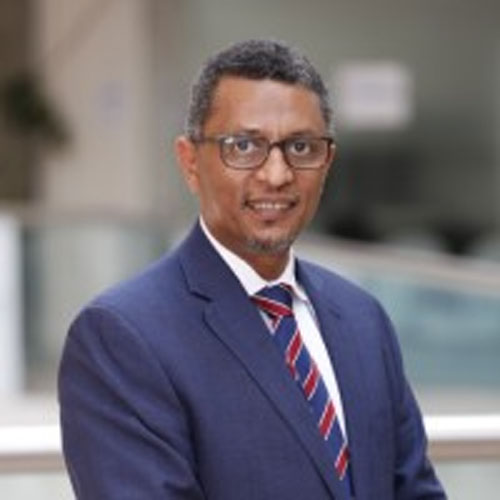
HOD of Business Analytics, Circular Economy, and Entrepreneurship, University of Bradford's School of Management, UK
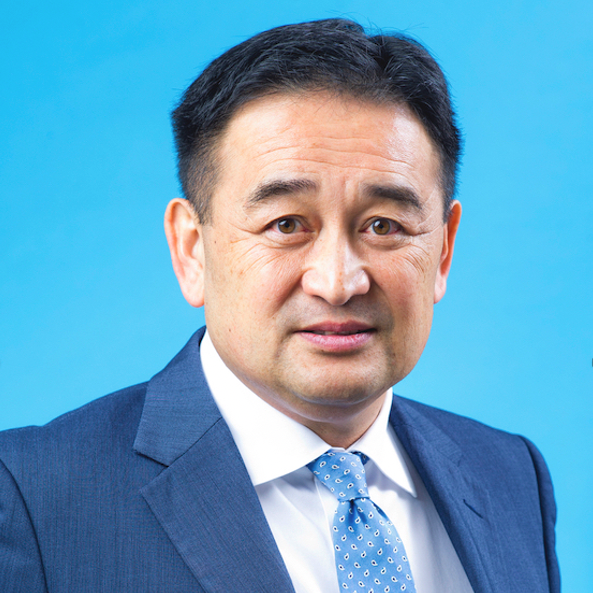
Chair Professor, Dept. of Mechanical Eng. Vice-President (Talent
and International Strategy), City University of Hong Kong, China
Read Bio
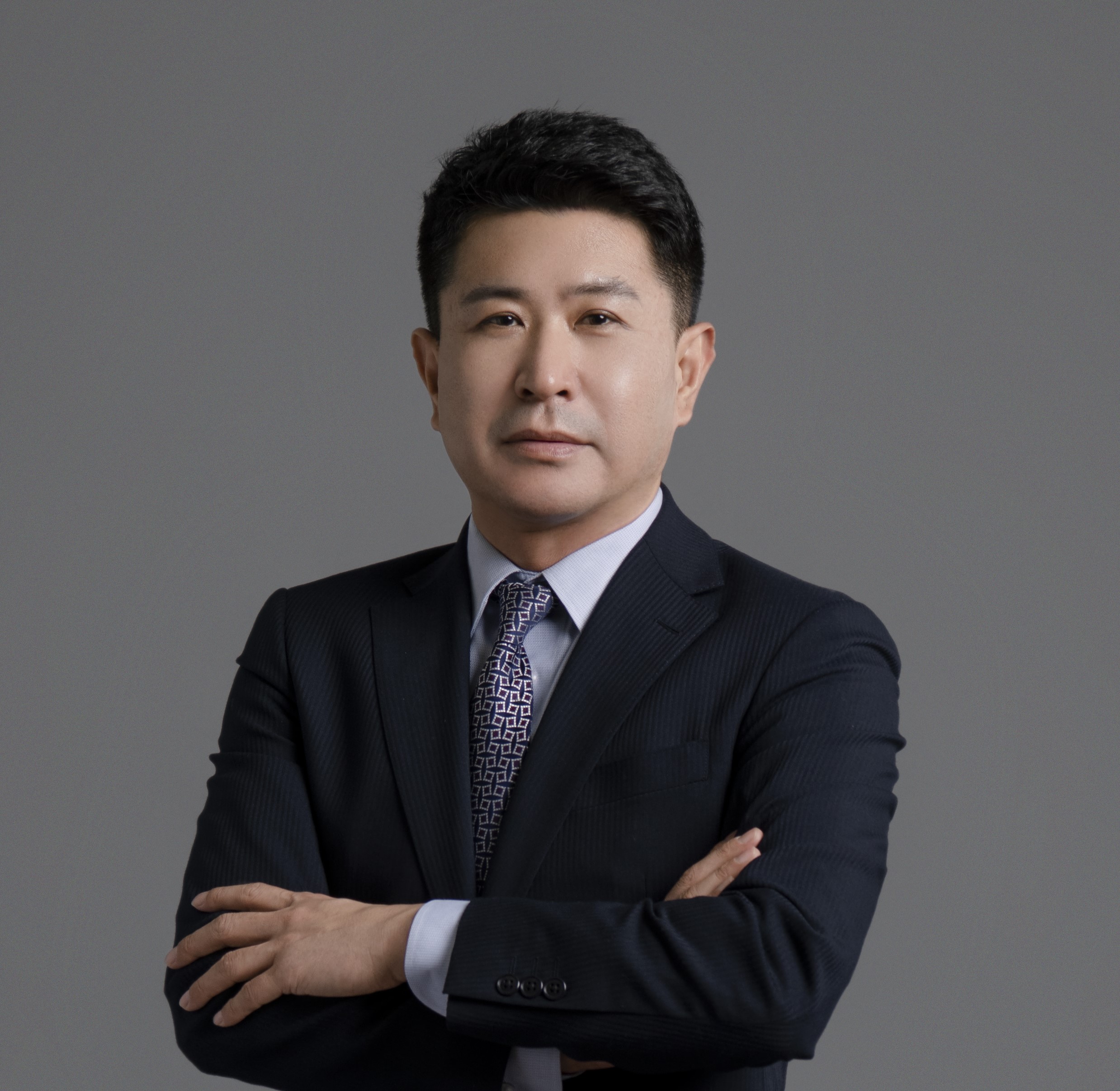
Deputy Secretary General of GAUC, and Vice Dean of the Institute
of Climate Change and Sustainable Development, Tsinghua
University, China
Read Bio
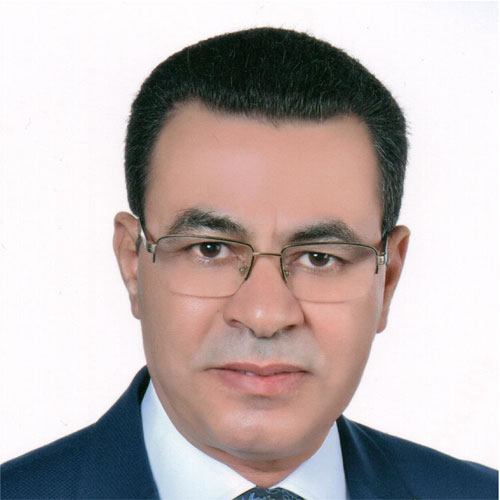
President of Arab Impact Factor and Dean of Research, Ahlia
University, Bahrain
Read Bio

President of the University College of Bahrain (UCB), Bahrain
Read Bio
* AI Futures Summit / ADU Joint Panel Discussion
Overview: As cities continue to expand, digital infrastructure, sustainable urban planning, and technological integration are becoming essential for building resilient communities.
SDG Alignment:
Objectives: Discuss the future of smart and sustainable urban development. Explore the role of AI, data, and digital governance in city planning. Examine sustainable mobility, energy, and citizen-centered services. Identify pathways to build resilient and inclusive urban communities.
Moderator
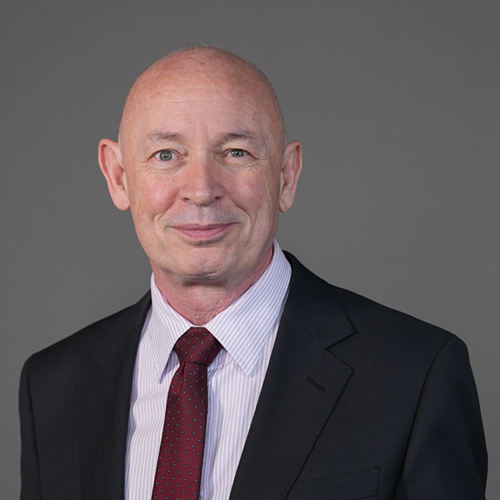
Provost, Abu Dhabi University, UAE
Read Bio
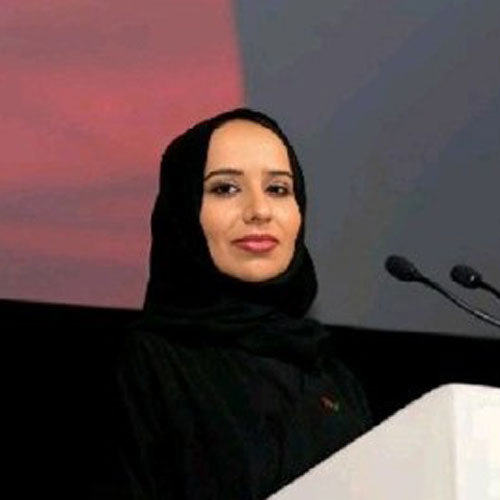
President, Emirates Health Economics Society at Emirates Medical
Association, UAE
Read Bio
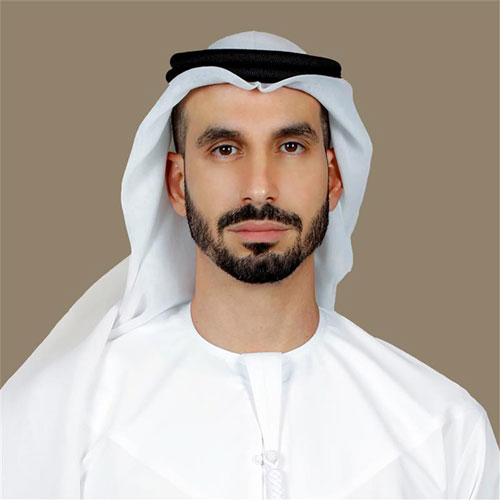
Executive Director, The Department of Municipalities and
Transport, UAE
Read Bio

Dean, School of Energy and Environment, Chair Professor,
Earth Science, City University of Hong Kong, Hong Kong
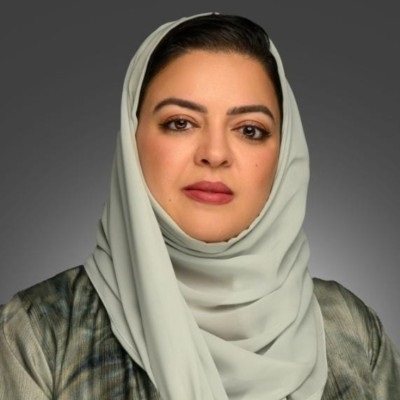
CEO, Majra – National CSR Fund, UAE
Read Bio

Higher Education Regulation & Licensing Director, Abu Dhabi
Department of Education and Knowledge, UAE
Read Bio

Founder of Vinci Power Nap® technology. MA designer / Neurorachitect, Poland

Founder of Fifty Shades Greener, Ireland
Read Bio
Overview: This panel will explore how digital technologies are reshaping global markets, financial systems, and economic development.
SDG Alignment:
Objectives: Examine the role of digital transformation in economic growth and competitiveness. Explore emerging trends in fintech, blockchain, and digital economies. Discuss inclusive and sustainable pathways for digital economic development. Identify policy and governance frameworks that support digital innovation.
Moderator

Professor at Social Communication Research Group,
Eötvös Loránd University (ELTE), Hungary
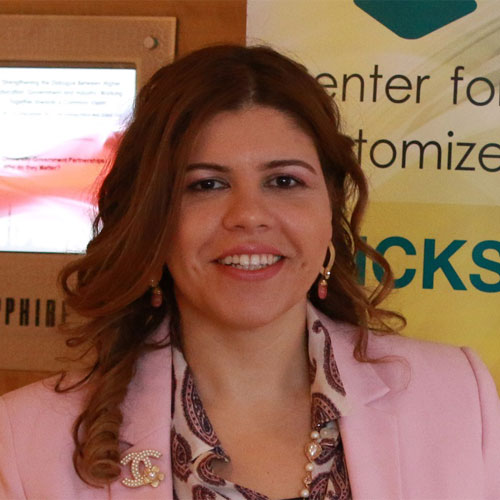
Founder and CEO, CLICKS, UAE
Read Bio
Vice President Analytics & Data Services Elsevier,
Netherlands
Read Bio

Director, Quality Assurance and Ranking Aalborg University,
Denmark
Read Bio
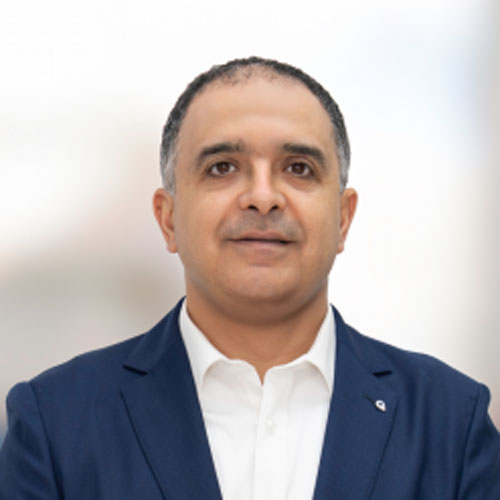
Vice President, Accreditation and Quality Assurance, Al Ain University, UAE
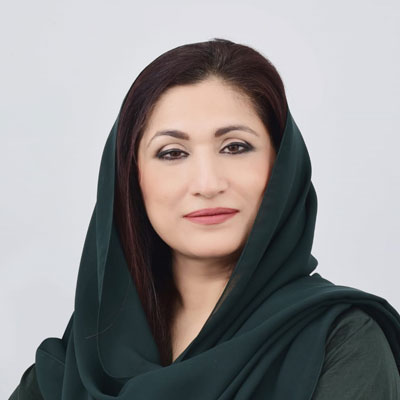
Advisor, Higher Education Affairs, Ministry of Higher Education & Scientific Research, UAE
Overview: Healthcare systems worldwide are being transformed by biotechnology, AI, and digital health technologies.
SDG Alignment:
Objectives: Explore how AI, biotechnology, and digital health are reshaping healthcare delivery. Discuss opportunities for telemedicine, precision medicine, and health resilience. Examine innovation pathways for stronger and more equitable health systems. Identify interdisciplinary and global collaborations that advance healthcare innovation.
Moderator
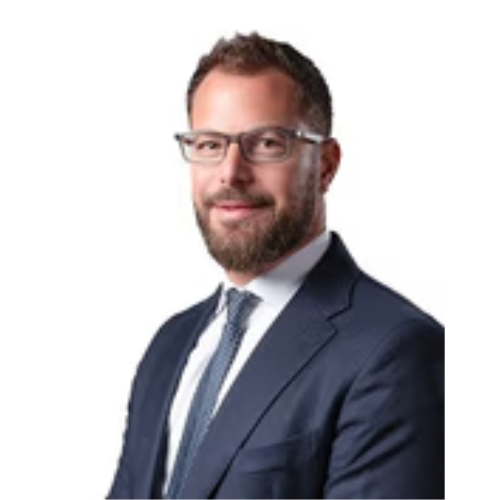
Dean College of Business, Abu Dhabi University, UAE
Read Bio
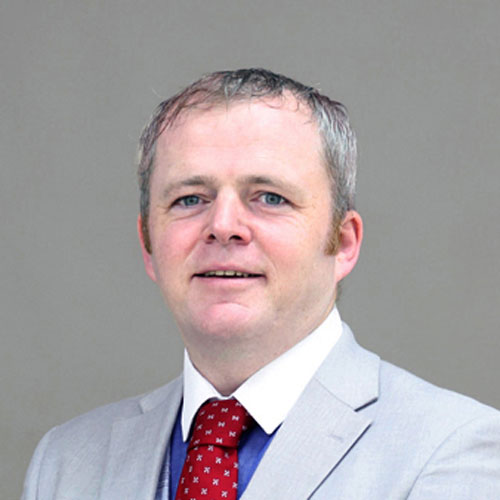
Dean of College of Law, Abu Dhabi University, UAE
Read Bio
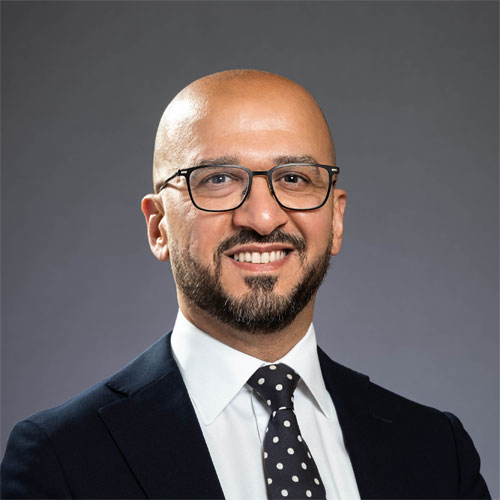
Vice President, EMEA Growth and Engagement, AACSB, USA
Read Bio
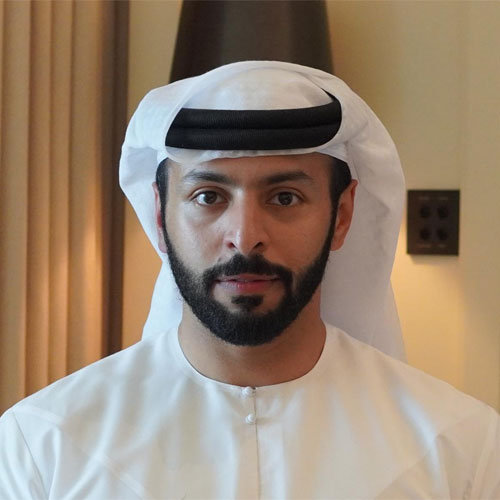
Global Board Member, Institute of Management Accountants (IMA)
& Chairman, Vertix Holdings, UAE
Read Bio
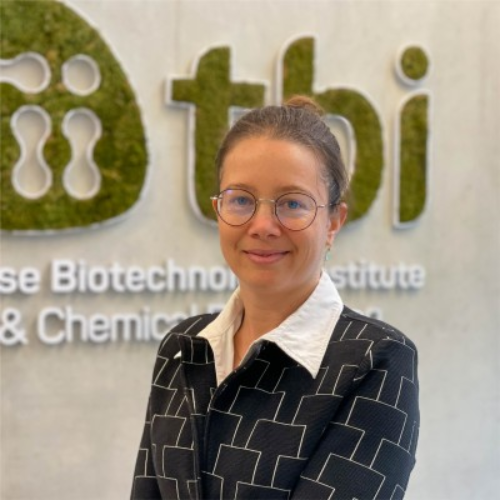
Chair Professor in Sustainable Transition towards low fossil
carbon economies Federal, University of Toulouse, France
Read Bio
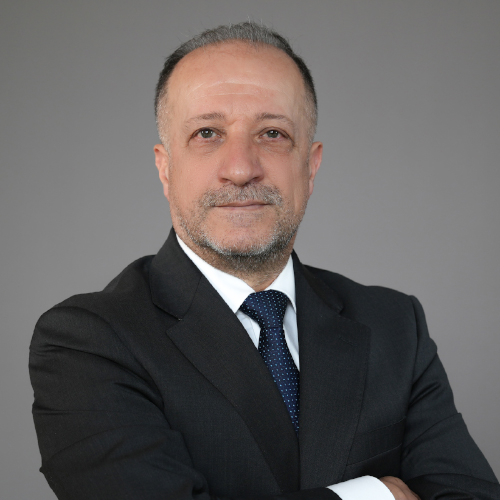
Dean of Student Affairs, Abu Dhabi University, UAE
Read Bio

Global Director, Uocean, UK
Read Bio
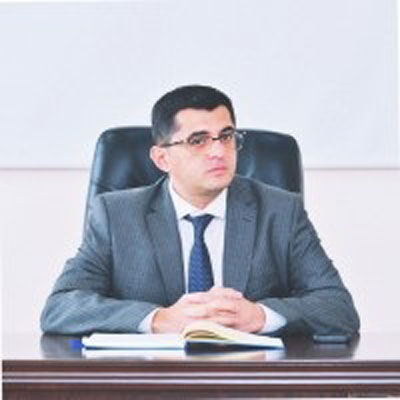
Rector at Azerbaijan State Oil and Industry University
Overview: This session presents a pioneering Environmental Knowledge Management System developed by Environment Agency Abu Dhabi (EAD) using the DAPSI(W)R(M)
framework. Integrating systems thinking, AI, and knowledge graphs, the approach transforms conservation decision-making by enabling structured cause-effect analysis and AI-powered
insights to tackle biodiversity loss and ecosystem degradation at the root.
SDG Alignment: The session aligns closely with Sustainable Development Goal 13 (Climate Action), SDG 14 (Life Below Water), SDG 15 (Life on Land), and SDG 17 (Partnerships for the Goals).

Objectives: The session aims to introduce a disruptive model for environmental knowledge management that enhances evidence-based conservation through systems thinking and AI-driven knowledge structures. It will demonstrate how structured cause-effect reasoning empowers decision-makers to design targeted, scalable responses that address the root causes of biodiversity loss. Additionally, the session will explore how large language models (LLMs) can leverage this semantic foundation to support nature-positive policies, ecosystem restoration, and climate resilience strategies.
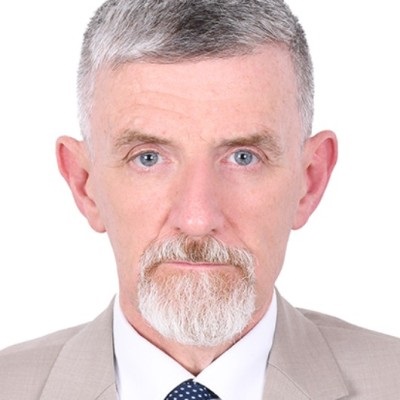
Director of Environmental Science Development at the Environment Agency – Abu Dhabi (EAD), UAE
Read Bio
Expert: Operational Excellence, Quality Management, Innovation & Sustainability at Environment Agency – Abu Dhabi (EAD), UAE
Overview: This special session will provide practical and strategic guidance for researchers aiming to publish in high-impact (Q1 and Q2) journals. Drawing on extensive publishing experience, the session will offer valuable insights on navigating the publishing process, understanding journal expectations, and overcoming common challenges faced by authors, particularly in emerging research ecosystems.
In addition to supporting individual researchers, the session will also explore how institutions can develop and sustain their own academic journals in collaboration with established publishers. This includes understanding editorial workflows, ensuring ethical publishing standards, and building journals that serve regional needs while meeting global quality benchmarks.
SDG Alignment: This session aligns strongly with the global goals of the United Nations Sustainable Development Agenda. By promoting equitable access to high-quality publishing opportunities, it contributes to SDG 4 (Quality Education). Through its focus on institutional capacity-building and the creation of local publishing infrastructure, it supports SDG 9 (Industry, Innovation, and Infrastructure). Furthermore, the emphasis on partnerships between global publishers and universities resonates with SDG 17 (Partnerships for the Goals), fostering collaboration to strengthen academic ecosystems and global knowledge exchange.
Objectives: The session aims to equip researchers with actionable strategies for publishing in Q1 and Q2 journals. It will demystify the publishing process by highlighting common pitfalls and success factors. Additionally, it will explore how universities can create and manage their own academic journals in partnership with Emerald. Ultimately, the session seeks to contribute to building stronger, more visible, and self-sustaining research ecosystems.

Publishing Services Programme Lead at Emerald Group Publishing, UK
Read Bio
Vice President and Regional Director – Middle East, Africa & Central Asia, Emerald Group Publishing, UK

Business Manager at Emerald Group Publishing, UK
Overview: This workshop, organized by Elsevier, will look into driving action through knowledge and partnerships. In an era where knowledge, innovation, and
partnership are vital components of sustainable economic growth, the concept of the "Fourth Generation University" (4GU) has gained prominence as a transformative model for Higher
Education institutions.
4GUs are characterized by their active engagement in fostering innovation ecosystems, and bridging academia to industry, government, and civil
society (the so-called 'Quadruple Helix' model). This workshop aims to explore the characteristics of these universities, examine how their attributes might be effectively measured,
and will invite discussion as to their applicability within local contexts, such as the Middle East.
Participants will be introduced to the core features that distinguish
4GUs, including their entrepreneurial orientation, partnership models and their role as catalysts for regional development through skills and R&D. The session will explore some of
the work that Elsevier, together with 12 founding academic partners, has initiated to understand the 4GU concept in detail and to recognise the different ways that universities
contribute to regional ecosystems.
SDG Alignment: The workshop aligns with:
Objectives:
This interactive session aims to inspire higher education leaders, policymakers, and partners to consider the role of universities as engines of regional innovation and growth,
ultimately contributing to a more resilient and dynamic knowledge economy.
Ultimately, this Elsevier-organized workshop provides university leaders, policymakers, and researchers with actionable frameworks to design, implement, and scale innovation-led
initiatives that generate tangible benefits for their communities—advancing both regional development and the global Sustainable Development Goals.
Overview: This workshop responds to growing concerns about research ethics and data misuse in the rankings ecosystem—
issues that are especially salient across the MENA region as research output scales. Drawing on Elsevier’s dual
role as publisher and information-analytics provider, the session will open the “black box” of quality assurance:
how self-citation patterns, retractions, predatory outlets, authorship anomalies, and the ethical implications of
emerging technologies such as generative AI are detected, reviewed, and addressed before curated datasets flow
to ranking providers (e.g., THE, QS). Through demonstrations and discussion, participants will gain a transparent
understanding of safeguards that protect comparability and fairness while discouraging metric gaming, and will codevelop
practical recommendations that strengthen institutional reporting, governance, and responsible research
assessment.
SDG Alignment: The workshop advances SDG 4 (Quality Education) by reinforcing trustworthy evaluation
and learning ecosystems, SDG 9 (Industry, Innovation and Infrastructure) by improving research information
infrastructure and metadata standards, SDG 16 (Peace, Justice and Strong Institutions) by promoting integrity,
transparency, and accountability in research systems, and SDG 17 (Partnerships for the Goals) by fostering
collaboration among universities, publishers, and ranking providers.
Objectives: By the close of the session, participants will understand Elsevier’s end-to-end quality-assurance measures and how they interface with ranking datasets; be able to recognize high-risk integrity signals and distinguish legitimate impact strategies from metric gaming; and leave with a concise, MENA-relevant set of recommendations—policy, governance, capacity-building, and a practical checklist for responsible research assessment and data submissions—that can be applied immediately within their institutions and networks.
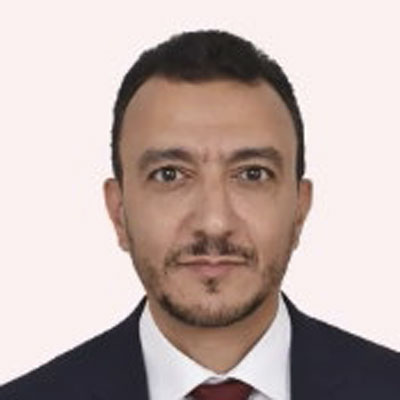
Senior Customer Success Manager-Middle East, Elsevier, Netherlands
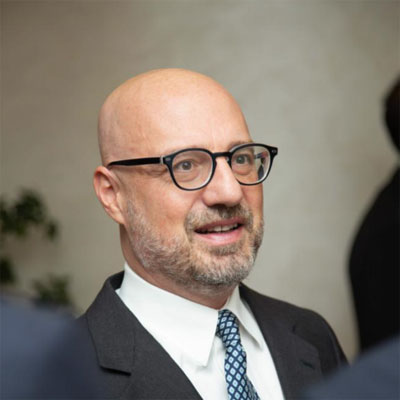
Ambassador of Italy to the United Arab Emirates
Chancellor, Abu Dhabi University
Read Bio
Vice Rector for Sustainable Campus and Living Lab, Politecnico di Torino
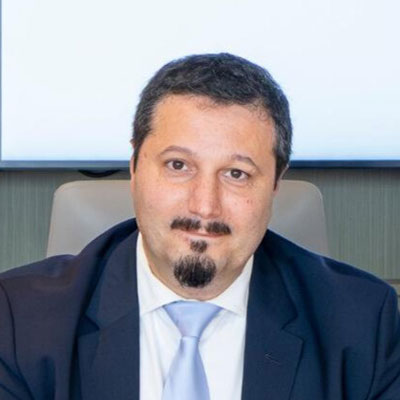
President of the European Emirati Business Council

Vice President, European Emirati Business Council (EEBC)
Ambassador of Italy to the United Arab Emirates
Chancellor, Abu Dhabi University
Read Bio
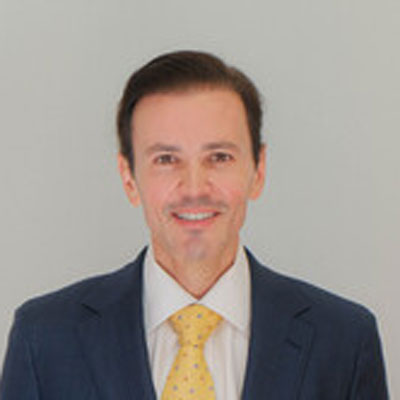
President of Accademia Europea di Firenze - AEF
Read Bio
Associate Director, International Development, Accademia Europea di Firenze - AEF
Read Bio
CANIE Europe Vice President, Sustainability & Strategic Partnerships Director Intercultural Ourreach Initiative (IOI)
Chair of the Accademia Europea di Firenze -AEF Sustainability Action Group
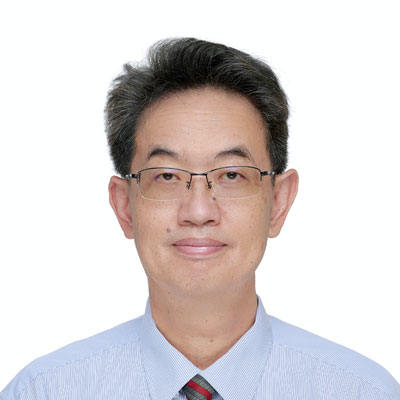
Dean of the College of Engineering at National Chin-Yi University of Technology
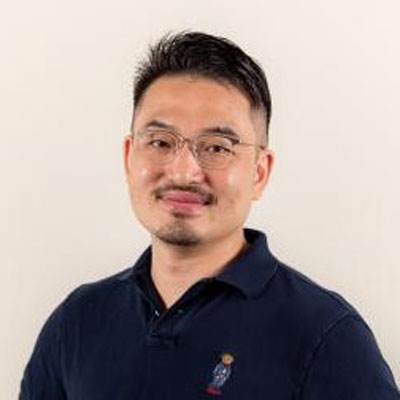
Associate Professor, Dept. of Chemical and Materials Engineering at NCUT
Chancellor, Abu Dhabi University
Read Bio
Rector at Azerbaijan State Oil and Industry University
Advisor to the Rector on Rankings, Azerbaijan State Oil and Industry University
Chancellor, Abu Dhabi University
Read Bio
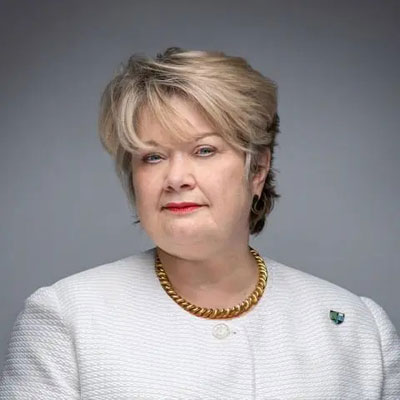
Provost and Vice Principal of Heriot-Watt University Dubai
Chancellor, Abu Dhabi University
Read Bio
President of the European Emirati Business Council
Vice President, European Emirati Business Council (EEBC)
Chancellor, Abu Dhabi University
Read Bio
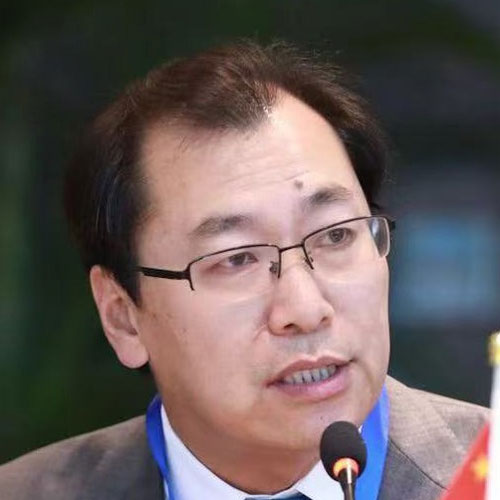
Chairman of the China Chapter of BRICS Business Council Skill Development, Applied Technology and Innovation Working Group, China
Chancellor, Abu Dhabi University, UAE
Read Bio
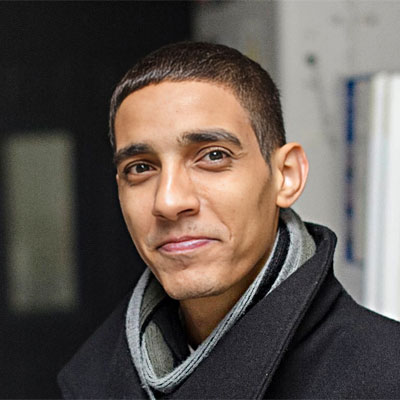
Global Projects Executive, BRICS Academy
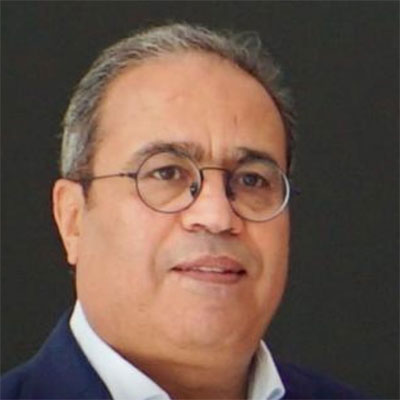
Regional Programme Specialist for Higher Education and TVET.
UNESCO regional office for Gulf States and Yemen
Secretary General, Association of Arab Universities; Former Minister of Higher Education, Scientific Research and Technology, Jordon
Chancellor, Abu Dhabi University
Read Bio
Registration Type | Price in USD(Excluding 5% VAT) |
| Early Bird Registration 20% registration waiver available until 20 October 2026 click here to register | 350.00 |
| Academic (ICASF 2027) Register for GEP and get more than 20% fee waiver, to learn more about GEP and to Register click here | 450.00 |
| International Scientific Committee Members (more than 25% fee waiver) | 335.00 |
| Business Delegates | 500.00 |
| Global Engagement Program (GEP) Delegates | 350.00 |
| Bachelor's and Master's Students | 200.00 |
| Not-for-profit Organization | 250.00 |
| Student 1 Day Registration | 125.00 |
| 1 Day Registration | 300.00 |
| ADU and Liwa College Academics | 200.00 |
| External DBA/PhD students | 200.00 |
All papers will be blind-reviewed. Accepted papers will be assigned to paper or interactive paper sessions by the Program Chair(s). Papers presented at the conference will be included on USB flash drives. Papers should be prepared and presented in English.
The conference will feature two types of contributions:
At least one of the authors must register before the registration deadline, attend the conference, and present the paper. Otherwise, the paper will not be included in the conference program and proceedings. If absence from a scheduled meeting is unavoidable, participants must contact icasf2025@adu.ac.ae.
Papers should be prepared in Microsoft Word and submitted electronically to the Conference
Submission System or through the following link:
Submit Paper
The Microsoft CMT service was used for managing the peer-reviewing process for this conference. This service was provided for free by Microsoft and they bore all expenses, including costs for Azure cloud services as well as for software development and support.
Please use the formatting guidelines below.

TBA
TBA
TBA
TBA
TBA
TBA
TBA
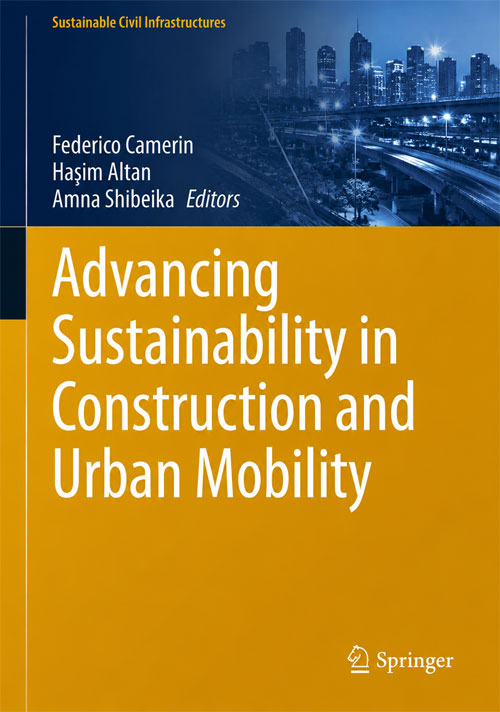
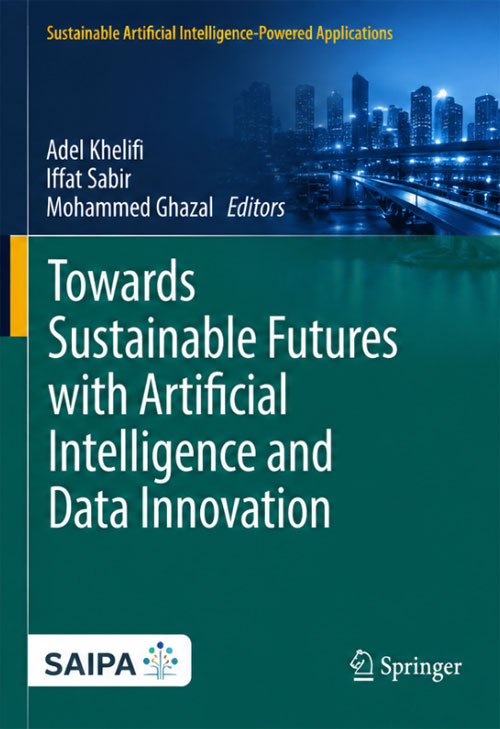
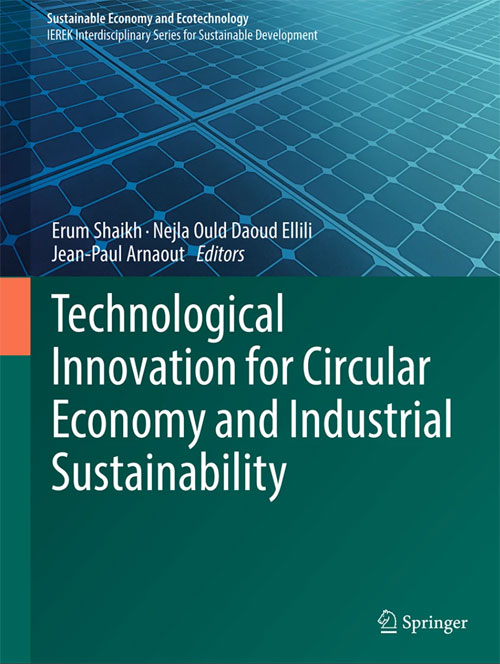
In addition, one more ICASF 2024 conference proceeding books are currently underway and will be announced soon.
Full papers submitted to ICASF 2027 will be considered for publication in a number of Scopus outlets.

 Advances in Science, Technology & Innovation (ASTI)
 Sustainable Civil Infrastructures (SUCI)
 Sustainable Economy and Ecotechnology (SEE)
 Sustainable Landscape Planning and Natural Resources Management (SLNR)
 Sustainable Artificial Intelligence-Powered Applications (SAIPA)
 Environmental Science and Sustainable Development (ESSD)
 A Major Publication Opportunity for ICASF 2027 Authors


Conference Advisor

Conference Chair

Executive Office Operations Manager, Office of the Chancellor
Khulud.abdallah@adu.ac.ae

Project Analyst, Office of Internationalization
sakshi.sharma@adu.ac.ae
Vice Chancellor for AI and Operational Excellence
Provost
Campus Director - Al Ain, Abu Dhabi University
Director of Dubai campus, Abu Dhabi University
Associate Provost for Research, Innovation & Academic Development
Executive Director of Community Relations
Executive Director of Marketing, Enrollment and Registration

Associate Director of University Development Office
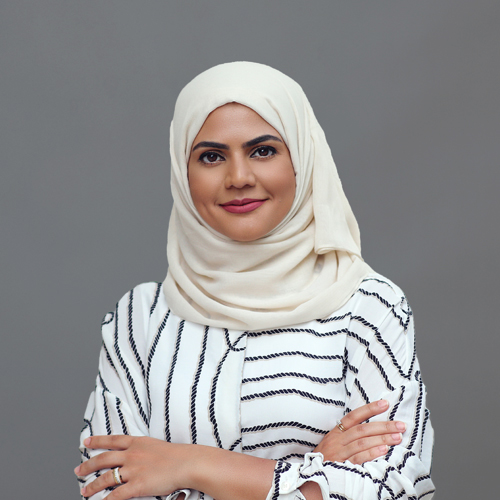
Associate Director of Marketing and Communication
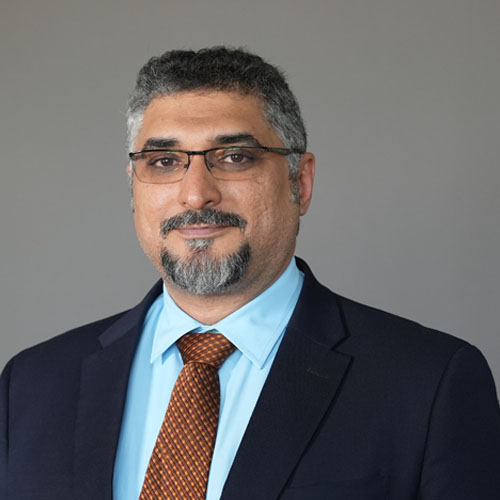
Director of Sustainability Advancement and Integrated Facilities (SAIF)
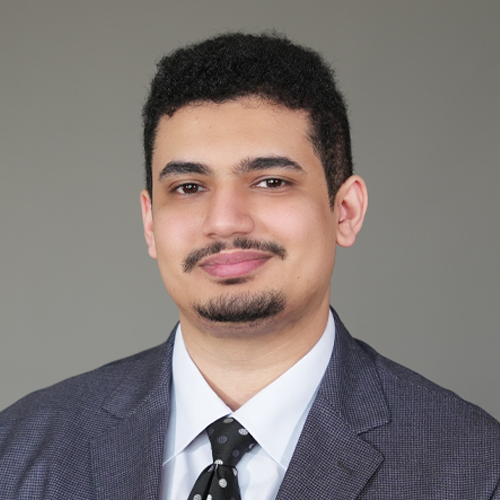
Internationalization Projects Officer, Office of Internationalization
Events Officer
Vice Chancellor, Cluster University of Jammu
Director of the CRISIS Research Lab, University of Ioannina
Research Principal, University of Technology Sydney
Head of Department of Basic and Applied Chemistry, University of Central Punjab
Head and Research and Innovation, Liwa University, UAE
Program Head, University of Management and Technology
Principal Consultant and Founder, Liverpool John Moores University
Associate Dean, College of Business Management (CBM), Institute of Business Management (IoBM)
Professor of Technology Management Practice
Associate Dean, SDA Bocconi School of Management
Dean, Faculty of Management & Communication; Managing Director, BliZ Study Centre for Blind and Disabled Students; Technical Advisor for Assistive Technologies to the World Health Organization (WHO)
Dean – College of Computing and Information Technology, Arab Academy for Science, Technology, and Maritime Transport
Professor of Entrepreneurship, Innovation and Sustainability, United Arab Emirates University
Professor of Center for Management, University of Münster
Professor of Information Systems, University of Florida
Professor, Transilvania University of Brașov
Professor of Manufacturing Processes, University of Rome Tor Vergata
Professor in Human Resource Management, Universiti Malaysia Terengganu
Professor of Computational Intelligence and Data Science, University of Portsmouth
Professor, Georgia Institute of Technology University
Professor, University of Cologne
Director Professor & Head of Biochemistry, G.B. Pant Institute of Postgraduate Medical Education & Research (GIPMER)
Professor, American International University, Bangladesh
Professor, University of Sharjah
Professor, National University of Singapore
Professor, Veterinary Doctor, Head of the Large Animal Clinic, Lithuanian University of Health Sciences
Professor, Vice Dean for International Relations and Director, University of Miskolc
Professor, IILM University
Professor and Project Director of Center for Business Ethics, Al Akhawayn University
Professor, Ariel University
Professor, Swinburne University of Technology
Professor of Economics and International Business, Drexel University
Professor, Maulana Azad National Urdu University
Professor & PhD Technology Management Director, Indiana State University
Professor & Faculty Mechanical Engineering, University of Tuzla
Professor & Head – Department of Language, Culture, and Society, SRM Institute of Science and Technology
Professor and Eugene Kleiner Chair for Innovation, New York University
Professor, University of Bologna
Professor, Toronto Metropolitan University
Professor, Athabasca University
Professor, Universitat de Barcelona
Professor, Curtin University
Professor, Neapolis University
Professor, Lebanese American University
Professor & Head of the Department of Management Studies; Director, Center for Law, Entrepreneurship and Action Research (CLEAR); Chairman, International Affairs, NALSAR University of Law
Professor, Head-Department of Information Technology, Inderprastha Engineering College
Professor and Research Scientist, Universidad Espíritu Santo (UEES), Ecuador
Professor, NYU Shanghai & Stern
Professor, University of Texas
Professor and Dean of Faculty of Science, Nile University of Nigeria
Professor, University of Sulaimani
Professor, Ambrose Alli University
Professor, Haigazian University
Former Professor and Chairman, Aligarh Muslim University
Associate Professor, National Institute of Technology Calicut
Associate Professor and Head of the Department, J K Lakshmipat University
Associate Professor, University of Slavonski Brod
Associate Professor, Wrocław University of Economics and Business
Associate Professor, University of Perugia
Associate Professor, Università degli Studi di Messina
Associate Professor/Director, MNS-University of Agriculture
Associate Professor, Western Balkans University
Associate Professor, Faculty of Management Studies, CMS Business School,JAIN (Deemed-to-be University)
Associate Professor, Sultan Qaboos University
Associate Professor, Vellore Institute of Technology
Associate Professor, Universitas Indonesia
Associate Professor, Sharda University
Associate Professor, S P Jain School of Global Management Dubai
Associate Professor, Durham University
Associate Professor, The Islamia University of Bahawalpur
Associate Professor, Pharos University in Alexandria
Associate Professor, Universiti Teknikal Malaysia
Associate Professor, The Aga Khan University
Associate Professor and Program Head M.Phil Pharmacology, University of Management and Technology
Associate Professor, University of Hassan II
Associate Professor, United Arab Emirates University
Head & Associate Professor, St. Joseph’s College of Commerce
Associate Professor, Empire State University
Associate Professor, Nottingham Trent University
Associate Professor, Marketing, Jaipuria Institute of Management Jaipur
Associate Professor, University of Management and Technology
Associate Professor of Cybersecurity, United Arab Emirates University
Associate Professor, Texas A&M University
Associate Professor, Université Polytechnique Hauts-de-France
Associate Professor, Sohar University
Associate Professor, Bangladesh University of Business and Technology (BUBT)
Associate Professor, Holy Spirit University of Kaslik
Dean and Associate Professor, Universiti Malaysia Kelantan (UMK)
Associate Professor, Sultan Qaboos University
Associate Professor at ENCG Settat, Hassan 1st University
Associate Professor, Iowa State University
Associate Professor, UAE University
Associate Professor, Gaya Polythetic Institute
Associate Professor of Accounting & Hanley Sustainability Scholar, University of Dayton, Ohio, USA
Associate Professor, University of Management and Technology
Associate Professor & Head, Electronics & Telecommunication Engineering Department, Dr. B.A.M. University
Assistant Professor, Lahore University
Assistant Professor of Human and Animal Physiology, University of Aden
Assistant Professor, Sustainability Management at the Indian Institute of Management
Assistant Professor and Program Manager, Salim Habib University
Assistant Professor, King Saud University
Assistant Professor & Program Director, The British University, Egypt
Assistant Professor, Heriot-Watt University Dubai
Assistant Professor, Al-Nahrain University
Assistant Professor, SZABIST University
Assistant Professor, Muscat College
Assistant Professor, Bennett University
Assistant Professor, GlobalNxt University
Assistant Professor, International Islamic University
Assistant Professor, Applied Science Private University
Assistant Professor, Modern College of Business and Science, Oman
Assistant Professor, Adama Science and Technology University
Assistant Professor, Higher Colleges of Technology, United Arab Emirates
Assistant Professor, Lab Leader, Built Environment Research Group (BERG), Interior Design Department, Prince Sultan University
Assistant Professor, Ramaiah University of Applied Sciences
Assistant Professor and Faculty of Islamic Studies, Republic of Kosovo
Assistant Professor, University of Messina
Assistant Professor, SP Jain School of Global Management
Assistant Professor, Alamein International University
Senior Lecturer in Accounting, University of Liverpool Management School
Lecturer in Computer Science, NED University of Engineering & Technology
Faculty of Economics and Business, Universitas Indonesia
Faculty of Engineering & Built Environment, South East Technological University
Faculty of Business, Economy and Social Development, Universiti Malaysia Terengganu
Faculty of Business and Management, Universiti Sultan Zainal Abidin
Faculty of Civil Engineering, University of Zagreb
Nanotechnology Researcher, CANDLE Synchrotron Research Institute, Armenia
Coordinator of the Doctoral Program in Reconciliation, Conflict Transformation, and Peace Studies, Friedrich Schiller University Jena
Researcher and Research Coordinator at the Vice-Rectory for Research, University of Fortaleza
Researcher and Lecturer, Azerbaijan State Oil and Industry University
Strategy Officer at Strategy & Research Department, University of Sharjah
UNESCO-UNISA Africa Chair in Nanosciences & Nanotechnology, University of South Africa
Editor in Chief of Journal of University of Human Development, University of Human Development
Guest Editor, JRFM Special Issue, University of Latvia
Faculty of Politics and Economics, Beni Suef University, Beni Suef, Egypt
Senior Staff AI Engineer, GE Vernova
VP, Platform & DevOps Enablement Manager at Comerica Bank
Dean, Faculty of Pharmacy – Applied Science Private University, Jordan
Topic Associate Editor, World Water Policy (Wiley), Editor, Discover Sustainability (Springer Nature), Senior Researcher – Water & Climate Security, Civil Engineering Department
Assistant Dean, Faculty of Pharmacy – Applied Science Private University, Jordan
Associate Professor of Finance at Bahrain Polytechnic Kingdom of Bahrain
Vice-President, Arab Science & Technology Foundation
Assistant Professor, SVKM’s, NMIMS, Mukesh Patel School of Technology Management & Engineering (MPSTME) Shirpur Campus, Shirpur Dhule.
Manager and Director of the Central Library in University of Duhok
Provost, Khwaja Fareed University of Engineering and Information Technology
Adjunct Faculty, Emirates College for Advanced Education, UAE
Associate Professor, Higher Colleges of Technology, UAE
President of the Italian Network of Universities for Sustainable Development
Vice-Rector for Sustainable Campus and Communities and Sustainable at Politecnico di Torino
Assistant Professor, AEF, Heriot‑Watt University, Malaysia
Global Director of MA Business and Finance Programme, Heriot‑Watt University
Global head of Accounting, Economics and Finance Department, Heriot‑Watt University
Head of AEF Department, Heriot‑Watt University, Dubai Campus
Associate professor of Educational Leadership, College of Educational Sciences, Zarqa University
Assistant Professor, UAE University (UAEU)
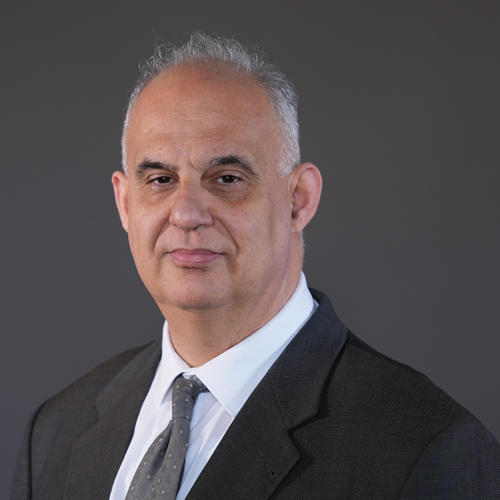
Professor of Chemical Engineering

Professor of Chemical Engineering
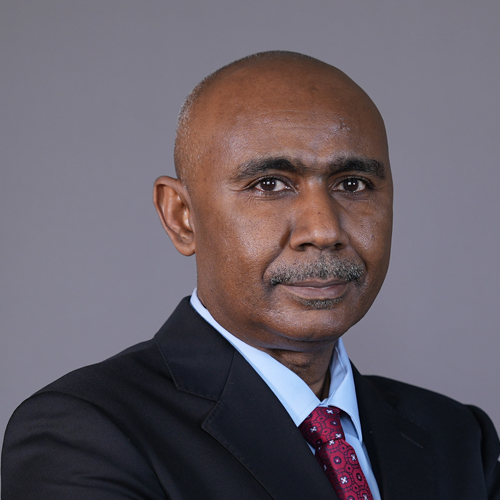
Professor of Civil Engineering
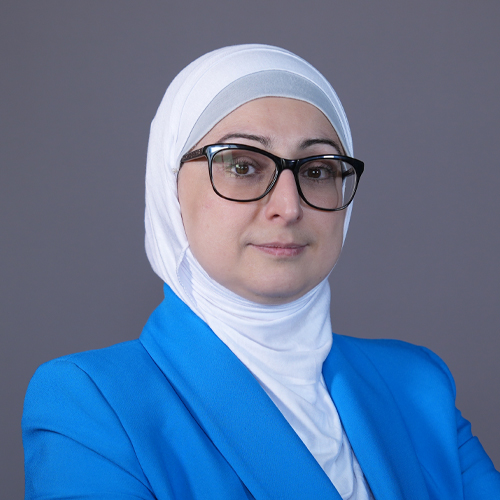
Associate Professor of Civil Engineering

Associate Professor of Architecture

Associate Professor of Architecture

Associate Professor of Civil Engineering
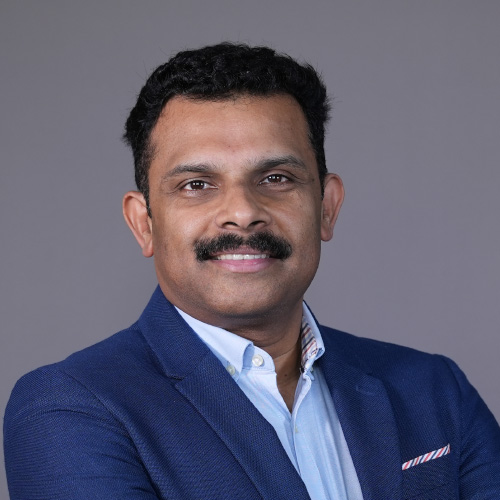
Associate Professor of Marketing
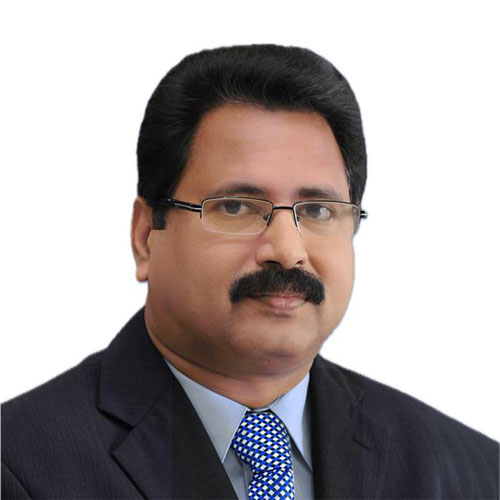
Professor of Management
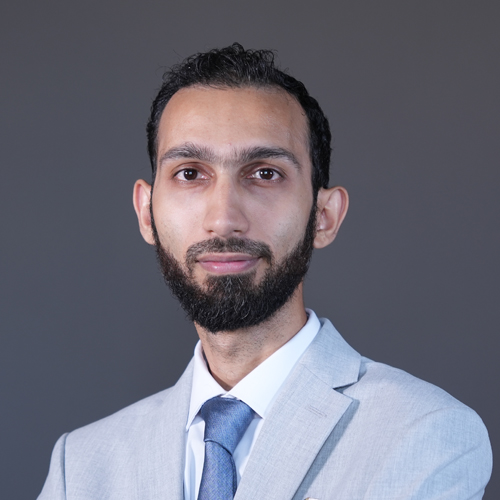
Associate Professor of Business Analytics and Operations Management

Assistant Professor of Management
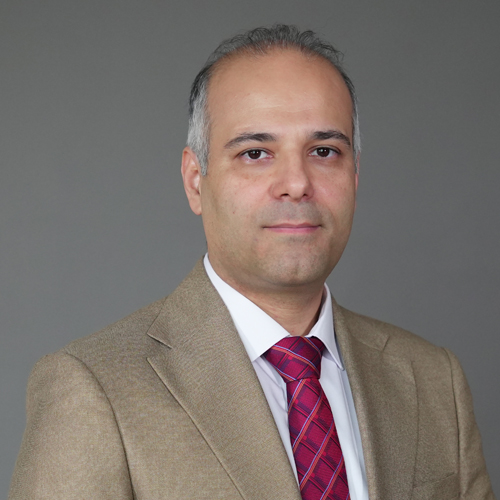
Assistant Professor of Logistics and Supply Chain Management
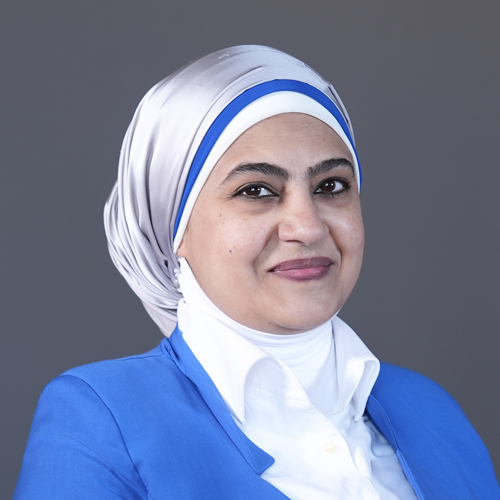
Assistant Professor of PR and Strategic Communication

Chair Department of Education, Professor of Educational Psychology & Development
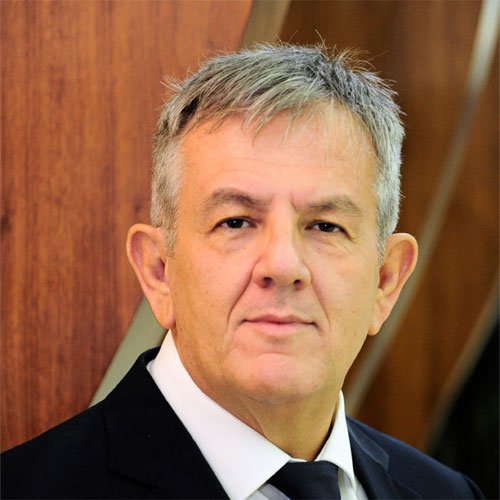
Program Coordinator MEd Educational Technology and Ai
Associate Professor of Education

Program Coordinator MEd Educational Leadership
Assistant
Professor

Assistant Professor of Education
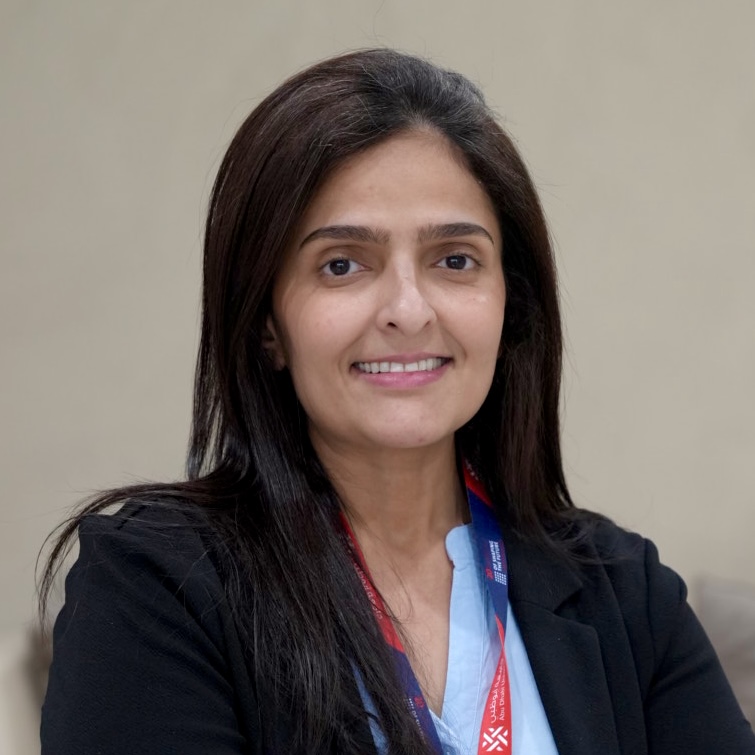
Assistant Professor of Education
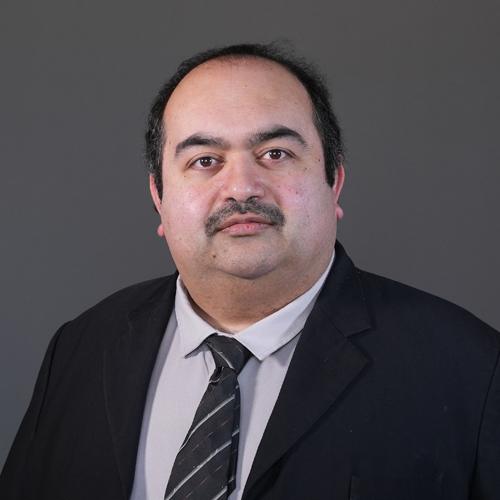
Professor and Chair of Electrical and Computer Engineering Department

Professor and Chair of Computer Science and Information Technology Department

Assistant Professor of Computer Science and IT

Professor of Cyber Security Engineering
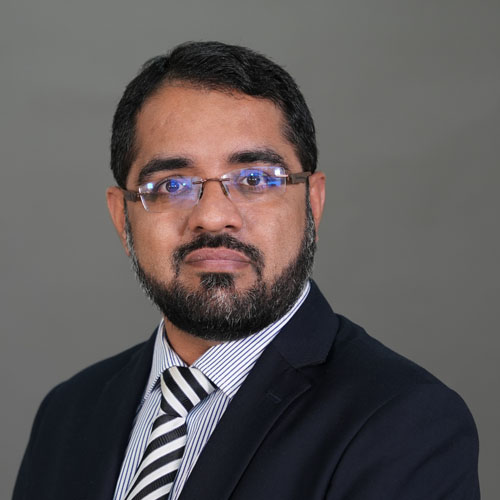
Assistant Professor of Electrical & Computer Engineering
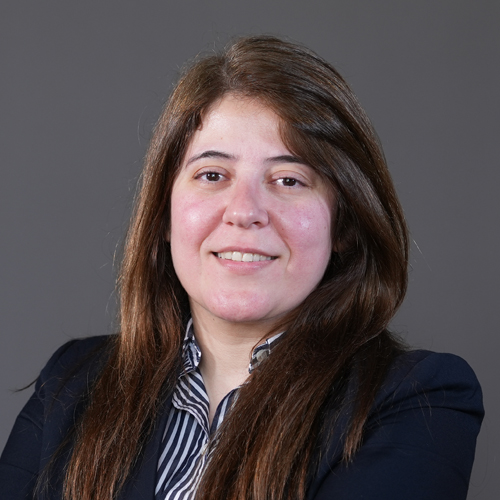
Professor of Environmental Health and Safety

Associate Professor of Molecular Biology
Assistant Professor of Immunology & Microbiology
Assistant Professor of Biochemistry and Molecular Biology
Assistant Professor of Genetics
Chair of the Department of Human Nutrition and Dietetics and Assistant Professor of Human Nutrition
Department Chair and Associate Professor of Biomedical Sciences
Professor of Health and Sciences

Associate Professor of Environmental Health and Safety

Assistant Professor of Public Health
Assistant Professor of Environmental Health and Safety
Associate Professor of Public Health
Associate Professor of Environmental Health and Safety

Professor of Public Health
Associate Professor of Public Health

Professor of Engineering and Project Management
Assistant Professor of Human Resource Management

Associate Professor of Management Information Systems, Director of Dubai Campus
Assistant Professor of Engineering Management
Director of Al Ain Campus, and Director of the Center for Faculty Development and Learning Innovation
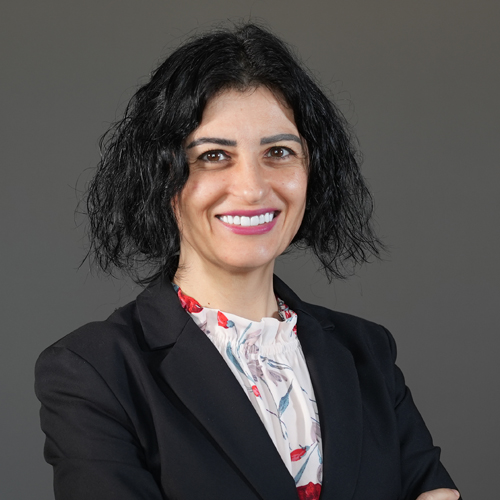
Assistant Professor of Mass Communication
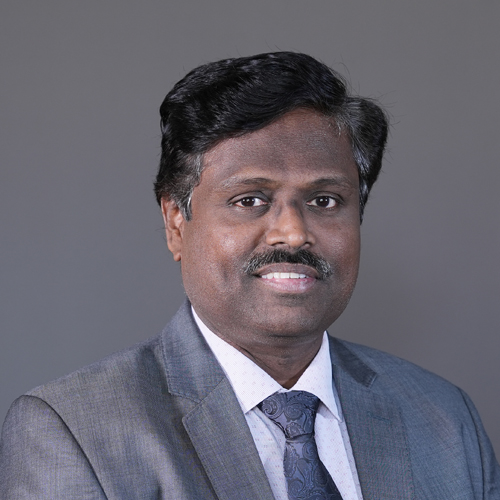
Program Coordinator BA Mass Communication
Associate
Professor of Mass Communication
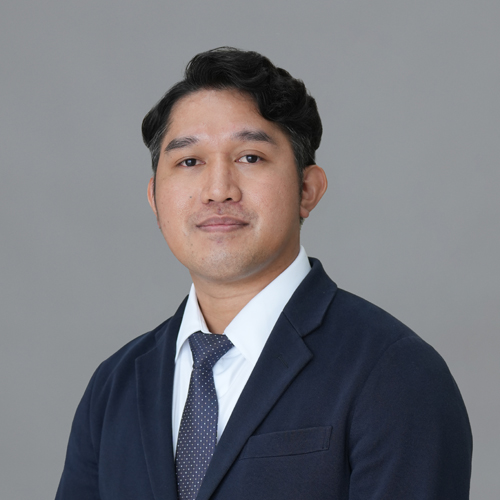
Assistant Professor in Psychology
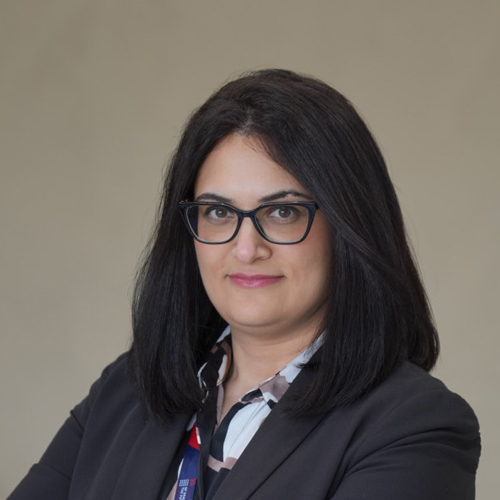
Assistant Professor of International Communication

Associate Professor of Management
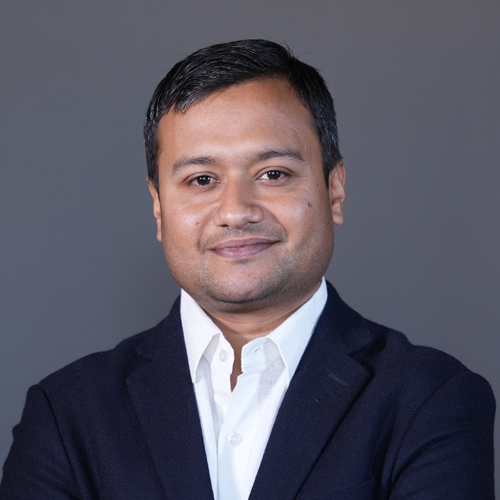
Assistant Professor of International Relations

Assistant Professor of Commercial Law
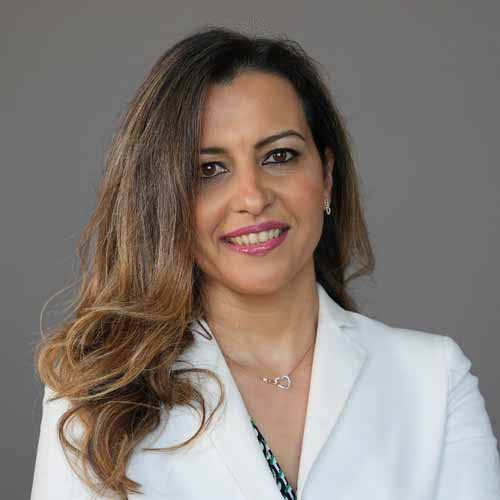
Chair of the College of Law and Assistant Professor of Public Law
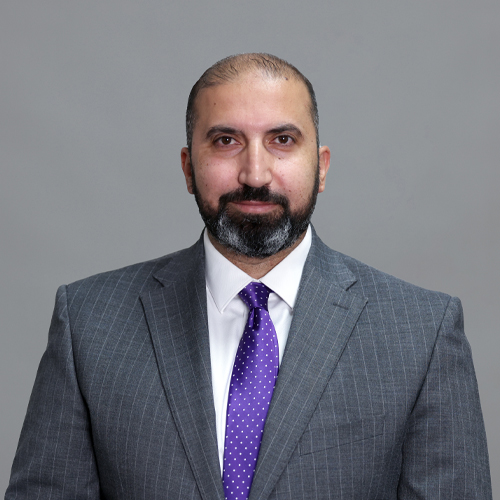
Assistant Professor of Penal Law
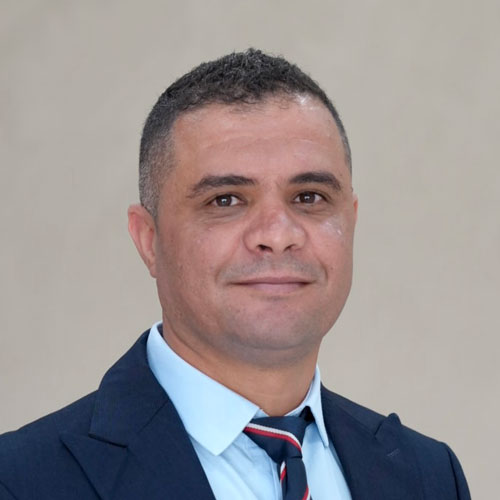
Assistant Professor of Civil Procedures Law
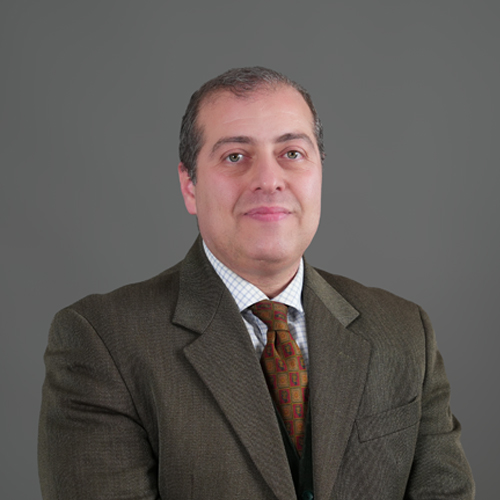
Assistant Professor of Commercial Law
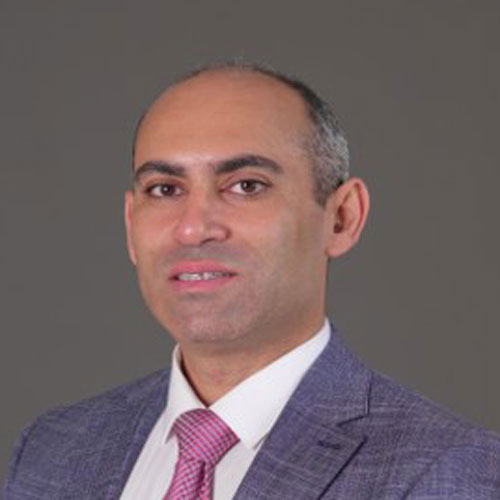
Chair of Private Law and Assistant Professor of Private Law
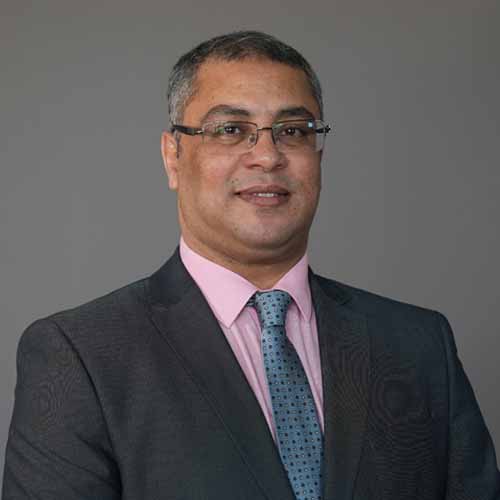
Associate Professor of Civil Law
Assistant Professor in Ethics and Governance in Cybersecurity
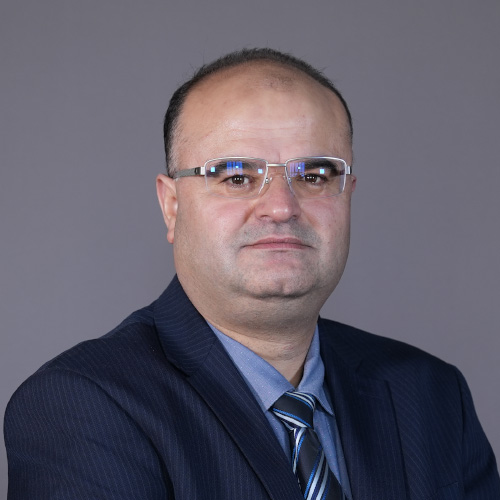
Professor of Finance

Professor of Finance

Associate Professor of Finance

Assistant Professor of Accounting
Professor of Finance
The weather in January in Abu Dhabi is pleasantly warm, with temperatures ranging from 18 to 26°C, providing a comfortable climate for exploring the city’s attractions and enjoying outdoor dining by the Gulf. This hospitable environment and Abu Dhabi’s visionary advancements resonate with the conference’s goal of fostering a sustainable and digitally transformative future. For more insights into what Abu Dhabi has to offer, go to
Visit Abu DhabiDelegates flying into Abu Dhabi or Dubai can travel by rideshare, taxi, metro, complimentary coach, or bus from the airport to the conference venue - Abu Dhabi University, Abu Dhabi, UAE.
Abu Dhabi University, Abu Dhabi, UAE


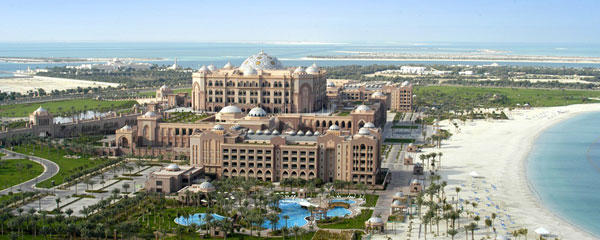
Note: Conference delegates staying at the recommended hotel can avail of special room rates through the link below. Delegates looking for alternative accommodation in Abu Dhabi or Dubai may book through Booking.com
Recommended Hotel Options Near the Conference Venue